
Spirometry
What is Spirometry?
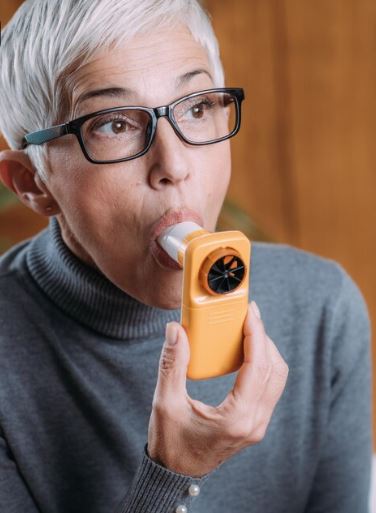
Spirometry, the name of this form of procedure, determines the efficiency of your lungs. It determines how much air you can breathe in as well as out, how fast you can do it. This technique is quite popular among doctors when it comes to diagnosing diseases such as COPD and asthma. Spirometry measurements are obtained-through the use of a spirometer, and this makes the procedure unobtrusive and convenient. It is of great value to physicians in their routine evaluation of lung function.
What is Spirometry?
Spirometry, the name of this form of procedure, determines the efficiency of your lungs. It determines how much air you can breathe in as well as out, how fast you can do it. This technique is quite popular among doctors when it comes to diagnosing diseases such as COPD and asthma. Spirometry measurements are obtained-through the use of a spirometer, and this makes the procedure unobtrusive and convenient. It is of great value to physicians in their routine evaluation of lung function.
Why is Spirometry Important?
Spirometry is an aid to early identification of lung difficulties. The early detection of chronic diseases by use of spirometry improves outcomes from treatment. For respiratory illnesses, the regular spirometry tests give respiratory patients an opportunity to monitor the impact of their treatment. Moreover, the measurement serves to evaluate breathing capacity of patients undergoing preparations for surgery. Therefore, spirometry becomes an excellent reliable equipment for extended lung care requirements.
How Does a Spirometry Test Work?
An inhalation is deep followed by an exhalation forceful into the spirometer’s attached tube. The spirometer determines both the flow of air and the volume air that is lost in the first second. In order to ensure reliable data, your doctor may recommend that you take the test in various rounds. Approximately fifteen minutes- most spirometry tests are over. The physician looks at these results in order to monitor your progress or make an informed diagnosis.
Who Needs a Spirometry Test?
Spirometry should be done to anyone who has wheezing, recurring coughs, or difficulty breathing. Commonly individuals that smoke or work in chemical and dust working areas are predisposed to lung problems. Physicians also suggest regular checking of existing respiratory health problems. Under such circumstance, working hazards or history of lung disease in one’s family, it is important that workers are regularly subject to spirometry assessments. Through that, frequent testing catches even potential declines in lung function at an early stage.
Common Conditions Diagnosed with Spirometry
Spirometry is the most frequent option in predicting COPD and asthma. It can also diagnose restrictive lung conditions such as pulmonary fibrosis. It is able to differentiate between the restriction and obstruction causes of breathing difficulties. The procedure can assist medical professionals to see how a disease is changing over time. In instances in which symptoms point to other medical issues, sometimes spirometry can rule out lung diseases.
Understanding Spirometry Results
The figures for FVC and FEV1 are given most weight in spirometry reports. FEV1 refers to the volume of air expelled in the first second, while FVC denoted the total air expelled during the entire test. The FEV1/FVC ratio being below normal can be an indication of obstructive lung disease. Due to age, sex, height, and ethnicity, normal values for spirometry tests are determined. Doctors make a diagnosis based on your test results and compares these with standard expectations.
Is Spirometry Safe?
Spirometry is in fact a totally painless and safe procedure. Upon giving a forceful breath, some individuals may feel sluggish or headgpainy. Spirometry is usually contraindicated in persons who have had specific surgeries or heart attacks recently. Most importantly, it has low probabilities of causing complications under the supervision of a healthcare provider. Such a test is widely applied in clinics, hospitals and even in workplaces.
How to Prepare for a Spirometry Test?
Don’t smoke and overeat on several hours prior to the time of the test. Select loose and airy dress to prevent you from suffocating in the test. Tell your doctor all the drugs you are taking, paying attention to any that may be inhalers. Be attentive to any particular pre-instruction your doctor might specify for you. For your tests to report back correctly, please ensure that you arrive in good time and are not tensed.
Spirometry in Asthma Management
Asthma patients also use spirometry to determine the effectiveness of their lungs. This enables doctors to assess the effect of treatment and switch medications for improved results. Testis help doctors to see if the condition of asthma is deteriorating or improving with treatment. Furthermore, it encourages patients to learn about their breathing and what may cause their asthma. The data acquired allows physicians to establish a personalized asthma action plan for the patient.
Spirometry for COPD Diagnosis
Spirometry enables doctors to measure airflow limitation in chronic obstructive pulmonary disease patients. It helps to identify the degree of the disease and confirms this constant obstruction. Spirometry is therefore the best diagnostic tool internationally for COPD. Continuous spirometry monitoring follows the progression of COPD as well as measures the effect of delivered treatment. Preliminary diagnosis of the condition can improve the progression of lung damage to a significant extent.
Can Children Do Spirometry?
Spirometry assessments can be administered to children of five years and older. For it to be tested properly children must be able to listen and carry out the given direction. Spirometry is a technique that is commonly used to diagnose asthma and to treat it in children. Pediatric spirometers use forms of entertainment like games and animations in order to capture children’s attention. Doctors try to make the test comfortable and presentable for children.
Spirometry in Occupational Health
In work places that expose workers to chemical exposures, dust or fumes, regularly carried out spirometry tests are common. It facilitates the detection of first signs of lung damage in workers. Continuous measuring prevents residual injuries and maintains a safe working environment. Spirometry testing is being used by employers to align themselves with occupational health and safety measures. It is a vital part of the programs aimed to protect occupational health.
Limitations of Spirometry
Spirometry is precise, but it doesn’t provide all the information on the functioning of lungs. Spirometry lacks the ability to identify all respiratory disorders including gas exchange disorders. The failure to fill the test properly may interfere with the results. Sometimes, other diagnostic tools – CT scans or chest X-rays to name a few – are needed to keep evaluating lung function. Much as it has limitations, spirometry is still the most powerful diagnostic method for studying the lung function.
How Often Should You Take a Spirometry Test?
The time between tests is dictated on the medical needs of the patient as prescribed by the doctor. Chronic condition patients may be required to be tested once every six to twelve months. A great number of people, who need general screening, could go untested for quite a few years. Individuals who smoke or have higher exposition to pollution may need to run their tests more often. One must listen to the advice of his or her physician to undergo further testing.
What Happens After the Test?
Your doctor evaluates the results once spirometry is completed. According to the findings; you might need to consider either starting or changing your prescribed medication. Some individuals could be referred for increased testing, for example, bronchodilator reversibility tests. Your doctor will provide advice on how to take care of your lungs. If in your result, you have normal lung function, there will be no interventions needed.
Digital Spirometry and Modern Devices
Modern spirometer show measurements when they are taken. They store patients’ long-term data and provide reliable as well as convenient portability. Spirometers that connect to medical records, or even mobile health apps, will help increase streamlining of monitoring. Lung testing has become more common among the people because of technology advances. The smart spirometers’ utilization has facilitated remote monitoring.
Cost of Spirometry Test
The price that a spirometry test can vary depending on where and whom conducts it. For most of us, insurance normally pays for it , and it is reasonably priced in most countries. Free or cost effective spirometry tests are common at various public hospitals. There might be an additional cost that you pay if you opt for private clinic. Consult your provider in advance.
Conclusion: Is Spirometry Right for You?
It is through the use of spirometry that you can asses your respiratory health. Whether you suffer from breathing problems now or not, you will get meaningful insights. The early testing enables better outcomes and the better quality of life on the whole. Contact your doctor and make an appointment if you recognize any risk factors. Don’t overlook lung health.