Chest Intubation

Everything You Need to Know About Chest Intubation

Chest Intubation Overview

A medical procedure called chest intubation involves inserting a tube into the patient’s chest. Its goal is to clear the pleural space of blood, fluid, or air. It supports healthy lung function and re-expansion.This is typically carried out following surgery, infection, or trauma. it can save lives when done on time.

Chest Intubation vs Endotracheal Intubation – What’s the Difference?

The tube enters the chest wall during chest intubation. The tube is inserted into the trachea, or windpipe, during endotracheal intubation. or fluid surrounding the lungs is removed during chest intubation. Breathing is directly supported by endotracheal intubation. Both are applied in various medical contexts.

Chest Intubation

Chest Intubation Procedure Step by Step – Explained Simply

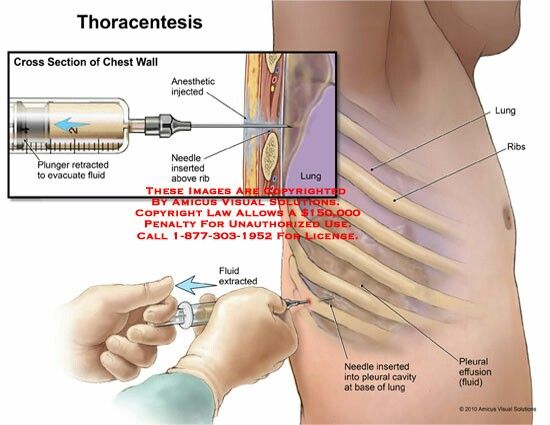
The patient is first administered local anesthesia. Next, a tiny cut is made on the chest’s side. In the pleural space, a tube is placed. A drainage system is attached to this tube. The entire process is carried out in a sterile setting.

Is Chest Intubation Painful? Know the Patient Experience

Prior to the procedure, local anesthesia is administered. Most patients experience little to no pain as a result. During insertion, there may be some pressure or slight discomfort. While the tube is in place, there may be some minor discomfort. This pain is typically temporary and manageable, though.

Chest Intubation

How Long Does a Chest Tube Stay In? A Complete Guide

The patient’s condition determines how long it takes. The tube typically remains in place for two to seven days. If the problem is more serious, it might stay longer. After the lungs stabilize, it is taken out. Physicians make decisions based on imaging tests and symptoms. 

How Long Is Recovery After Chest Intubation?

The patient’s condition and the reason for intubation determine how long it takes to recover. In straightforward situations, progress is noticeable in as little as one week. Healing from major trauma or surgery may take longer. Recovery requires rest and appropriate monitoring. Faster healing can be achieved by heeding medical advice.

When Is Chest Intubation Necessary? Common Medical Reasons

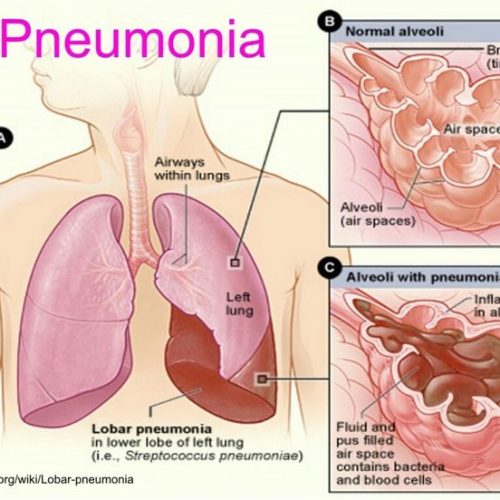
In cases of pneumothorax (collapsed lung), it is necessary. Lung infections, pleural effusions, and hemothorax are also treated with it. Accidents and chest trauma frequently call for it. It can also be used following difficult surgeries. Based on the condition, the doctor assesses the need.

What Are the Side Effects and Risks of Chest Intubation?

There’s a risk of infection at the insertion site. Bleeding or damage to nearby tissues may occur. Tube displacement or blockage can also happen. Some patients feel pain or breathing discomfort. These complications are rare if done properly.

Is Chest Intubation a Life-Saving Procedure? The Real Facts

Yes, in a lot of circumstances, it can save lives. In situations like internal chest bleeding or collapsed lungs, it is helpful. It enables healthy breathing and re-expansion of the lungs. In emergency care, it’s frequently the first step. Life-threatening conditions can be avoided with prompt action.

Do Lungs Return to Normal After Chest Intubation?

The lungs usually recover completely. Results are favorable if the condition wasn’t too severe. Healing is aided by proper drainage and oxygen support. Recovery progress is confirmed by follow-up scans. Full lung function is ensured by following the doctor’s advice.

What Is the Role of Chest Intubation in Pneumothorax?

Air leaks into the chest and causes the lung to collapse in a pneumothorax. Intubating the chest aids in releasing the trapped air. The lungs can now re-expand and function as a result. It lowers pressure and returns breathing to normal. The lung might not heal correctly without it.

Which Age Groups Commonly Need Chest Intubation?

Any age group can undergo this procedure. However, patients who are older and adults are more likely to be impacted. Adults are more likely to have trauma and lung conditions. It is applied to children in cases of severe infections or mishaps. Condition is more important than age.

the Role of Chest Intubation in Pneumothorax

How Is a Patient Prepared Before Chest Intubation?

The procedure is explained to the patient beforehand.
Local anesthesia or sedation is given.
The chest area is cleaned and sterilized.
Vital signs are monitored during the process.
Doctors and nurses ensure full support during prep.

How Does a Chest Tube Work? A Simple Explanation

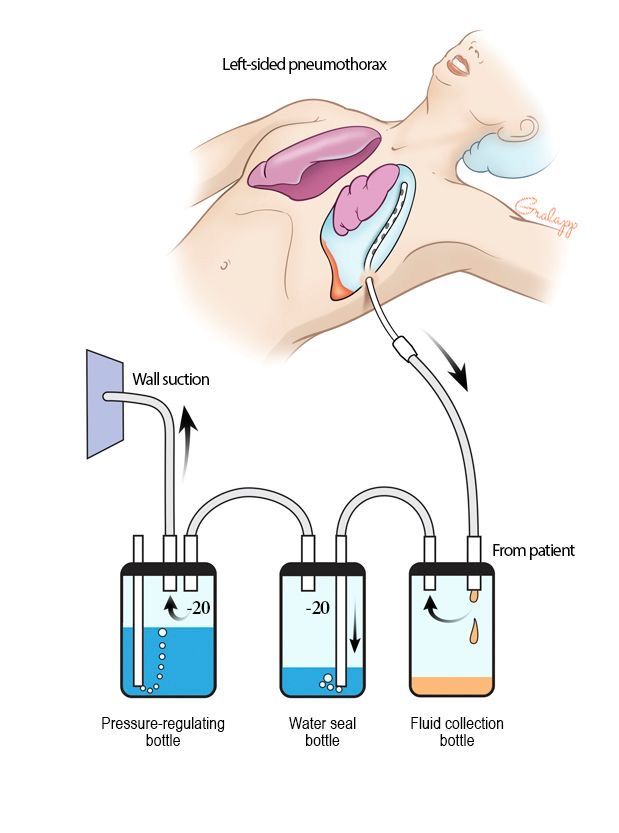
A chest tube is a drainage device.
It continuously removes air or fluid from the chest cavity.
The tube connects to a suction or water-sealed container.
This prevents the lungs from collapsing again.
It helps restore normal breathing and lung function.

Is Chest Intubation Only Done in the ICU? Myths vs Reality

Chest intubation is not limited to the ICU.
It can be performed in emergency rooms or operating theaters.
ICUs are usually for patients needing constant monitoring.
Stable patients may have the procedure in regular wards.
The location depends on the patient’s medical need.

Are There Alternatives to Chest Intubation? Explore Your Options

In mild cases, needle aspiration can be used.
Some medications can reduce fluid buildup.
Severe cases still require chest tube placement.
Thoracoscopy is an advanced alternative in some cases.
The doctor decides based on diagnosis and severity.

Can Chest Tubes Be Maintained at Home? Expert Opinion

Usually, chest tubes are managed in the hospital.
In rare cases, trained home care teams can monitor it.
But it’s risky without proper setup and hygiene.
There’s a high chance of infection or blockage at home.
It’s best to stay in the hospital until tube removal.

Re-Expands the Collapsed Lungs

Chest intubation helps remove air, blood, or fluid from the chest cavity, allowing the lungs to expand again.

Eases Breathing

By relieving pressure around the lungs, it helps the patient breathe more comfortably and naturally.

Treats Pneumothorax

Treats Pneumothorax (Collapsed Lung)

It is a primary treatment for pneumothorax, where trapped air is removed to allow lung recovery.
Removes Blood or Infected Fluid

Removes Blood or Infected Fluid

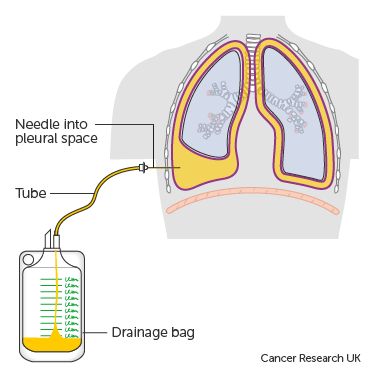
Chest tubes drain blood or pus caused by trauma, infection, or surgery, preventing further complications.

Removes Blood or Infected Fluid

Life-Saving in Emergencies

In serious conditions like chest trauma or accidents, timely chest intubation can save a patient’s life.
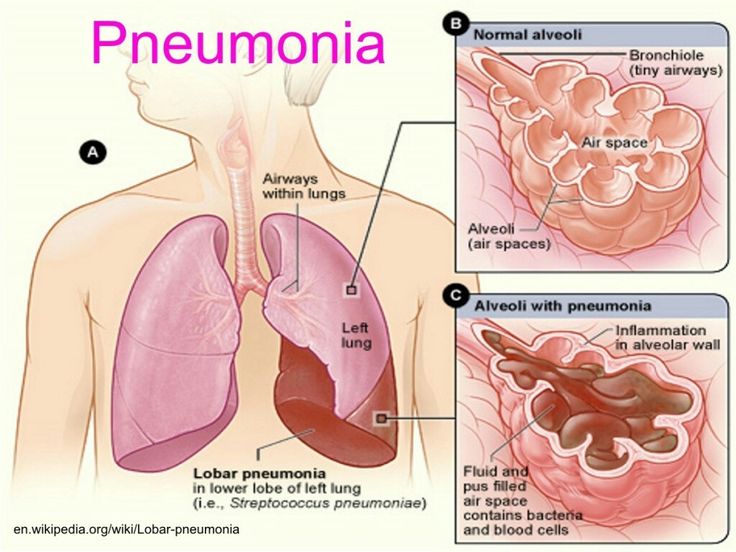
Treats Pneumothorax

Aids in Post-Surgical Recovery

After chest surgeries, it helps drain fluid buildup, speeding up healing and preventing infection.

When Is Chest Intubation Needed? Key Symptoms and Indicators

When someone has severe breathing difficulties, especially if it occurs suddenly, chest intubation should be considered. This could be the result of fluid, blood, or air accumulating in the chest cavity and pressing against the lungs. Additionally, it is frequently necessary following a chest trauma or injury where internal bleeding or air leakage may occur, such as a car accident or a severe fall. Low oxygen levels, a fast heartbeat, and ongoing coughing or chest pain are additional warning indicators. A chest CT scan or X-ray will typically show whether there is air or fluid surrounding the lungs, which would indicate the need for chest intubation. It’s important to note that only a medical professional can confirm this procedure after a thorough examination and proper diagnostic testing.

Professor Dr. Abdul Rauf would be a great option if you’re searching for the best pulmonologist for chest intubation. In the medical community, he is well-respected for his proficiency in lung-related procedures and pulmonary diseases. He is a highly regarded pulmonologist with a reputation for being knowledgeable and adept at making precise diagnoses, which guarantees that the treatment strategy is always appropriate. He is a reputable name for such important procedures because of his extensive experience and stellar ratings. For a precise diagnosis and course of treatment, seeing Dr. Abdul Rauf would be a wise choice if you choose to have a chest intubation.

ADRESS

To schedule an appointment with renowned and highly qualified pulmonologist Professor Dr. Abdul Rauf , go to Medical Colony, Line 4, Bahawalpur.  Dr. abdul Rauf ( raufrespiratorycare )is well known for his proficiency in pulmonary conditions and his trustworthy, precise diagnosis. Please feel free to message me on WhatsApp to arrange an appointment or for more information.