
Introduction
An asthma attack is defined as sudden and often frightening constriction of the airways which narrows the airflow and makes each breath hard. Most asthma attacks that plague millions of individuals every year across the world can be evaded or managed through the appropriate knowledge and care. The post discusses what occurs when one is having an asthma attack, how to terminate it as soon as possible, the factors that make people experience an asthma attack and how to prevent it. These hints will make your life easier and safer either as an asthmatic person or the one who has to take care of an asthmatic one.
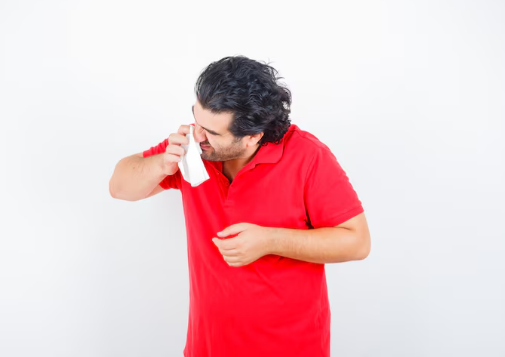
What is an Asthma Attack?
During an asthma attack, it is hard to breathe as the muscles around your airways contract, the lining becomes swollen and the mucus fills up. Symptoms of restricted airflow to lungs during this period are chest tightness, coughing and wheezing. The duration of the attacks may take a few minutes up to a few hours and may be mild or fatal. In order to successfully deal with asthma, it should be known that asthma is a long-term condition which is accompanied by acute exacerbations. The positive aspect is that the attacks can be prevented with the proper measures.
The Science Behind an Asthma Attack
The immune system of an asthmatic over-reacts to stimulants and releases chemicals that cause bronchoconstriction and inflammation. This inflammation causes the bronchial tubes to narrow, thus reducing oxygen circulation. Worse still, it is associated with the mucus blocking the airway. The reactions can be explained by the fact that people with asthma breathe through a straw. Once an attack begins, patients and caregivers can be more proficient in response should they understand the body response.
Common Triggers of Asthma Attacks
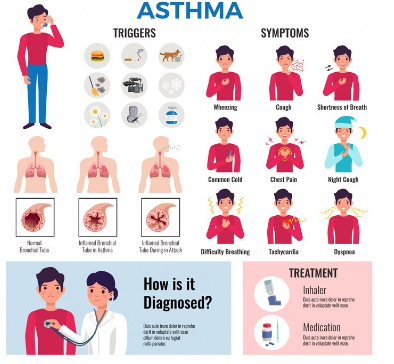
Identifying the triggers is the initial process of managing the asthma attacks whose causes are mainly determined by triggers. Common triggers of asthma attacks are:
The allergens are mold, dust mites, pollen, cockroaches, and pet dander.
Chemical fumes, smoke, air pollution, and perfumes are some of the irritants.
Weather change entails coldness of air or sudden changes in temperature.
Exercise: This is especially the case in dry or cold seasons.
Emotional stress: A state of anxiety or strong emotions may alter your breathing.
These triggers can be avoided or minimized to considerably lower the frequency and severity of attacks.
Early Warning Signs of an Asthma Attack
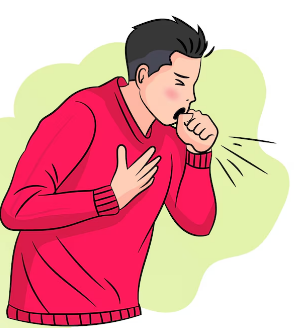
It can help you save your life by understanding the symptoms of an asthma attack in its early stages. These symptoms often occur hours prior to the commencement of an actual attack. Among them are:
Constant coughing, especially during the early morning or when at night.
whistling or slight wheezing on breathing.
feeling tightness in the chest or undue breathlessness.
feeling that you need your rescue inhaler more often than usual.
These indicators can be detected early and hence you can act before it is too late.
Symptoms of a Severe Asthma Attack
An asthma attack can be severe and, in this case, you should visit the doctor immediately. The inability to speak full sentences is one of the symptoms.
Bluish or gray fingernails and lips signify low oxygen.
perplexity and quickness of heart.
The chest muscles contract or contract as the breath is inhaled.
poor response to the inhaler or drug.
Emergency care must be sought immediately the symptoms develop since one may die because of time lapse.
How to Stop an Asthma Attack Immediately
The promptness of response may be the difference between safety and harm in the event of an asthma attack. What to do is as follows:
Keep as straight as you can, and do not lose your head; it will act to enlarge your lungs.
Take your salbutamol or albuterol-containing rescue or quick-relief inhaler.
Take breath gradually and evenly; not too fast or too much distressed.
In case symptoms do not decrease or even get worse in ten fifteen minutes, request help.
In case you cannot talk and breathe normally even after taking medication, seek emergency treatment.
Always keep your inhaler near so as to reach it whenever you want to take it.
Home Remedies for Mild Asthma Attacks
There are possible in-home strategies that could assist in the relief of mild case asthma attacks (in conjunction with medication).
The controlled breathing techniques such as pursed-lip breathing are used to control airflow.
Breathing of steam can provide temporary relief of the difficiency of breathing and decrease the congestion.
Consume a lot of water to aid in the reduction of mucus.
Immediately avoid dust and smoke.
Do not lie flat, but up, up.
In spite of these treatments being potentially useful, they are never to be substituted by the professional medical care.
Emergency Medical Treatment for Asthma Attack
Rain tapped at the window, soft and steady, blending right in with the hush of the room. Everything outside looked smudged and gray, but inside, the fireplace glowed and made the whole place feel safe. I curled up in a chair with a book, flipping pages slowly, letting the story pull me in. Time didn’t seem to matter. The rain kind of wrapped me up in this quiet bubble, and honestly, I didn’t care about anything except the warmth, the words, and the calm.
Long-Term Management of Asthma
When it comes to asthma, the real aim is to stop attacks before they even start. That’s why you need long-term care—daily controller inhalers, like corticosteroids, help keep inflammation in check.
Work with your doctor to come up with an asthma action plan that actually fits your life. Don’t skip those regular check-ups, either. They’re key for tracking how your lungs are doing.
Stick to your medication schedule—even on days you feel fine. That consistency matters. And don’t forget the basics: quit smoking if you haven’t already, and keep your space clean.
Stay steady with these habits, and you’ll breathe easier, with fewer flare-ups messing up your days.
How to Prevent Asthma Attacks Naturally
Natural prevention works best when you combine it with proper medical care. A few things really help:
Keep your indoor air clean. Dust and vacuum often, run an air purifier, and don’t let things get stuffy.
Avoid allergens. Keep the dust down, control humidity, and toss your bedding in the wash every week.
Eat well. Load up on vitamins and antioxidants to strengthen your immune system.
Move your body, but don’t overdo it. Ramp up your workouts slowly, and if you need an inhaler, use it before you exercise.
Lower your stress. Simple breathing exercises or a bit of meditation can do wonders for your lungs and your mind.
Honestly, prevention beats scrambling for help during a crisis every time.
Asthma Attack in Children
Kids are more likely to have asthma attacks because their immune systems are still growing and their airways are smaller. Watch for things like fast breathing, trouble talking, or coughing when they’re running around. Always have their inhaler or nebulizer nearby, and make sure anyone taking care of them knows the plan if something happens. Jumping in early stops hospital trips and keeps your child safer. As they get older, regular checkups with the pediatrician help adjust their medicine.
Asthma Attack During Sleep (Night-Time Asthma)
Asthma attacks can really mess with your sleep. A few things tend to set them off at night: lying flat, chilly air, or allergens hiding in your bedding. So, what helps? Wash your bedding every week and use dust-proof pillowcases. Try not to let your bedroom get too cold.
If your doctor recommends it, take your medication before bed. Pay attention to how you sleep and tell your doctor if you notice any asthma symptoms during the night. Good sleep habits make a big difference when it comes to keeping your asthma under control.
Asthma Attack in Cold Weather
Cold air can dry out and irritate your airways, sometimes triggering attacks. To protect yourself, try covering your mouth and nose with a scarf or mask when you head outside. If you’re planning to work out in the cold, warm up first. Indoors, run a humidifier to keep the air from getting too dry. And don’t forget—keep your rescue inhaler close during winter. With a little planning, you can cut down on asthma attacks caused by colds.

Myths About Asthma Attacks
Let’s clear up a few common myths about asthma.
First, some people think only kids get asthma. Not true. Adults can develop asthma at any age.
Another one: once you’re feeling fine, you can stop taking your medication. Actually, that’s risky. People who quit their treatment too soon often end up with more frequent attacks.
And it’s not just dust that causes problems. Weather changes, stress, and plenty of other things can also trigger symptoms.
So, the more you know, the better you manage asthma—stay informed, stick to your treatment, and don’t fall for the myths.
Diet and Lifestyle Tips for Asthma Patients
Want to keep asthma attacks under control? Healthy habits really matter. Start with what you eat. Fill your plate with foods that calm inflammation—nuts, fruit, veggies, fish. Stay away from fried and processed foods; they just make things harder.
Don’t forget water. Drink plenty to stop mucus from turning thick and sticky.
Get moving, but take it easy. Go for gentle stuff like walking or swimming—no need to push yourself too hard.
Avoid smoky rooms and polluted air. Your lungs react fast, and not in a good way.
Stick with these habits. Breathing gets easier, little by little. It’s the everyday choices that count.
Emotional Impact and Stress Management
Asthma attacks can really shake you up, leaving you anxious and worried they’ll happen again. The stress from all that actually makes asthma worse. But there’s good news: things like yoga, mindfulness, or just getting some light exercise help both your mind and your body. Talking to a counselor or joining a support group can make living with asthma feel a lot less overwhelming. When you use these tools to manage stress and calm your breathing, you’re less likely to have those stress-triggered attacks.
When to See a Doctor
If your rescue inhaler isn’t working like it used to, or you’re having asthma attacks more than twice a week, talk to your doctor. Don’t brush it off if you wake up at night gasping for air, or if you feel shaky or lightheaded after using your inhaler. Getting help sooner makes a big difference—your doctor can tweak your meds and help you stay on top of your breathing.

Conclusion
Asthma attacks can really throw you off, but you don’t have to let them take over. Learn to spot the warning signs early, figure out what triggers your symptoms, and actually use your treatment plan—not just when things get bad, but every day. Asthma deserves your attention, but it doesn’t get to call the shots. With a little planning and the medicine we have now, you can keep doing what matters to you. Stay cool, stay ready, and honestly, stopping an attack before it starts is a whole lot easier than scrambling in the middle of one.