
Introduction:
Asthma is a chronic respiratory disease that causes inflammation and airway constriction making breathing difficult. It may appear at any age and have millions of victims worldwide. It is important to note the symptoms of asthma early to prevent an attack and treat it in time. This is why, in this case, we at Rauf Respiratory Care believe that the first step on control is awareness, since you will be capable of taking timely action and improving your breathing well-being when you know the meaning of every symptom.

What Happens in the Lungs During Asthma
When you breathe in, air gets into your lungs and in your airways. These airways swell, are inflamed and are very sensitive to asthmatic sufferers. It is further reduced by the fact that the passage becomes even smaller when the muscles around the passage contract and more mucus is produced. The outcome of this combination is shortness of breath, coughing, and wheezing. Education and guided treatment are beneficial to patients in Rauf Respiratory Care because they also know about this process to manage their asthma.
Major Symptoms of Asthma
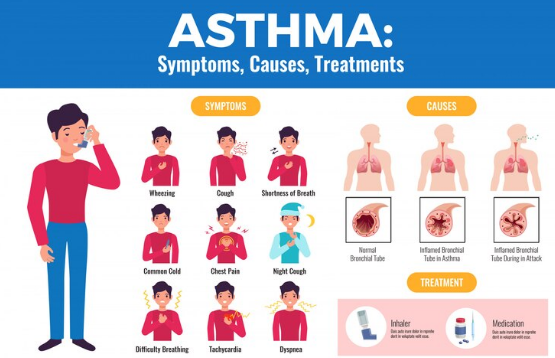
Asthma symptoms may be mild and severe. Most people experience combinations of the following:
1. Breathlessness
being forced to take fast breaths or having the feeling that you are not getting sufficient air. It might happen when you are sleeping, working out or resting.
2. The wheezing
whistling noise, that is so high pitched, and is caused by tight airways in breathing out. It is one of the most popular symptoms of asthma.
3. Chest Tightness or Pressure.
a tight feeling or heaviness in the chest, which does not allow deep breathing.
4. A Chronic Cough
It often is dry or contains small amounts of mucus and it is especially troublesome at night or in the morning.
5. Sleep Issues
The night coughing or wheezing often disrupts sleep and may point to the ineffective treatment of asthma.
Rauf Respiratory Care emphasizes to watch these symptoms to diagnose worsened conditions in the early stages since all of them are the symptoms of inflammation in the airways.
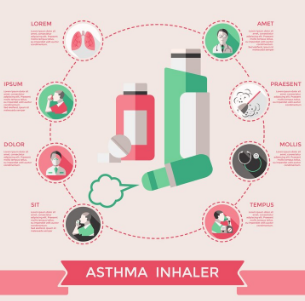
Early Warning Signs of Asthma Worsening
Asthma often provides clues in advance before it becomes severe. The warning signs include increased cough, chest tightness, and use of your rescue inhaler more. Some patients feel fatigued or have a lower reading of their peak flow even after the light activity. Timely observation of such symptoms allows timely changes in treatment and prevents a severe attack. In Rauf Respiratory Care, we train the patients to identify these warning signs and take early measures to prevent their deterioration.
Emergency Symptoms – When to Seek Immediate Help
Asthma may be fatal at times without warning. In spite of medication, acute symptoms are dyspnea, nails or blue lips, and inability to speak in full sentences. These should be immediately reported to the nearest hospital by attending it, or calling an ambulance. In order to make sure that there is no time to lose when an attack happens, we at Rauf Respiratory Care train our patients on these significant warning signs.
Types of Asthma and How Symptoms Differ
Asthma does not have a one size fits all. The symptoms and triggers are different, depending on the type:
Allergic asthma may occur due to the dust-mite, pollen or pet dander.
Exercise-Related Asthma: This occurs during or after exercise.
Irritants such as fumes or chemicals at the workplace trigger occupational asthma.
A persistent cough is the main symptom of cough- variant asthma as compared to wheezing.
In order to ensure maximum control and comfort of the patient, we at Rauf Respiratory Care will approach each form of asthma differently in diagnosis and treatment.
Common Triggers That Make Symptoms Worse
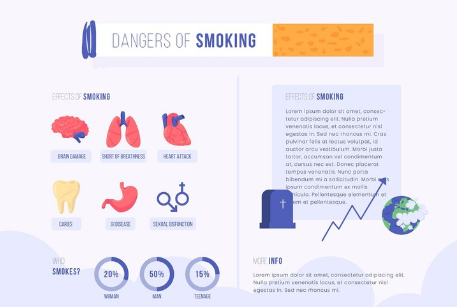
Asthma triggers are things which bother or swell up your airways. Some of the common ones are dust, pollen, cigarette smoke, strong irritants, pollution, cold air, stress, and viral infections. Among the key points of asthma management, the identification of personal triggers should be listed. We at Rauf Respiratory Care recommend that our patients keep an asthma diary in order to be able to identify and eliminate the triggers in their daily lives.
How Doctors Diagnose Asthma Symptoms
The initial steps in the diagnosis are a comprehensive medical history and physical examination. Your physician will ask about your family history of allergies, triggers and frequency of symptoms. Peak flow measurement or spirometry are the lung function tests that confirm airway obstruction. These are painless and fast tests. In Rauf Respiratory Care, we accurately assess the performance of lungs and create tailored asthma management plans based on the use of the latest diagnostic equipment.
Dealing with asthma? Yeah,
it’s a whole thing. You’ve gotta stay on top of it or it just sneaks up and ruins your day. Here’s the real talk—none of that stiff, textbook stuff.
First off, don’t mess around with your meds. If the doc says use your inhaler, actually use it. Don’t wait till you’re gasping like a fish out of water. Seriously, why gamble?
And for the love of all that’s holy, keep tabs on your symptoms. Write ‘em down, type it into your phone, whatever works. When did it flare up? Did you just walk past a construction site or your friend’s house that smells like a Yankee Candle exploded? Those details matter.
Speaking of smells—avoid anything that messes with your lungs. Pollution, smoke, dust, perfumes… just nope. Your lungs will thank you. Oh, and if someone starts spraying cologne like they’re trying to fumigate the room, just leave. Life’s too short.
Get your shots, too. I know, nobody loves getting poked, but flu and pneumonia shots actually help keep your lungs from staging a full-on rebellion. Trust me, being sick with asthma is not a vibe.
Also, have a plan. Like, a real plan. Not just “I’ll figure it out if I can’t breathe.” Know what to do if things get dicey, whether it’s mild, bad, or “get me to the ER” level.
At Rauf Respiratory Care, we don’t just hand you a pamphlet and peace out. We give you stuff you’ll actually use—info that makes sense and plans that don’t require a medical degree to follow. Because, honestly, nobody wants to play guessing games with their lungs.
Lifestyle Changes That Improve Asthma Control
Honestly, a few tweaks to your daily habits can make a world of difference when it comes to dealing with respiratory stuff. Breathing exercises? Way more helpful than you’d think, and if you keep your weight in check and actually get up and move (yep, even if it’s just a walk, and yeah—don’t go overboard without checking in with your doc), your lungs will thank you. And don’t even get me started on dust and allergens—those little suckers are everywhere. So, grab an air purifier, wash your sheets more often (no, once a season doesn’t cut it), and try to keep your place not too dry, not too humid… Goldilocks style. We’re all about helping folks breathe easier over at Rauf Respiratory Care, tossing out real-life tips to make your home less of a war zone for your lungs. Asthma doesn’t stand a chance if you play it smart.
Exercise and Asthma – Staying Active Safely
Look, I get it—exercise and asthma sound like a recipe for disaster, right? Tons of people dodge the gym because they’re worried about triggering symptoms. But honestly, working out can actually make your lungs stronger and help you breathe easier in the long run. Here’s the trick: use your inhaler before you even start getting sweaty, take your time warming up (no need to be a hero sprinting right out of the gate), and if you know cold air messes you up, breathe through your nose to warm it up first. Oh, and if the air outside is thick with smog or pollen? Yeah, maybe skip the outdoor bootcamp that day. At Rauf Respiratory Care, we’re not about making you feel like you’re sitting on the sidelines. We’ll help you figure out an exercise plan that keeps you moving without making your asthma act up. So, don’t let fear keep you glued to the couch.
Children and Asthma – Recognizing Symptoms Early
Asthma in kids? Oh, it’s a whole different ballgame compared to adults. Little ones might not get the classic wheeze—sometimes it’s just coughs that won’t quit, chest infections popping up way too often, or, you know, your kid running out of steam way before the others on the playground. Catching this stuff early makes a massive difference later, trust me. If your kid’s showing these signs, don’t just hope they’ll outgrow it—go chat with a lung doc. Over at Rauf Respiratory Care, we don’t just poke and prod; we actually make the whole assessment kid-friendly, and we’ll walk you through the real-life tricks to keep your kid’s asthma under control. Because honestly, nobody wants late-night ER runs if you can help it.
Complications of Uncontrolled Asthma
If you blow off asthma symptoms or just don’t bother keeping things under control, you’re basically asking for trouble. We’re talking about nonstop attacks, jacked-up lungs, sleepless nights, maybe even missing out on work or school—total mess. Let those airways stay inflamed long enough, and they might just shrink for good. But here’s the thing: most folks don’t have to deal with any of that. With regular check-ins at Rauf Respiratory Care, you can actually dodge all that drama and just live your life, no problem.
Myths About Asthma Symptoms – The Truth You Should Know
Myth 1: Only children can get asthma.
The truth is that it can also develop in adults.
Myth 2: The sole symptom is wheezing.
The truth is that some patients only experience tightness in their chest or cough.
Myth 3: It’s easy to spread asthma.
The truth is that it is a chronic airway condition rather than an infectious disease.
Myth 4: Having asthma prevents you from exercising.
Truth: You certainly can if you have good control.
In order to improve health outcomes, we at Rauf Respiratory Care educate our patients to debunk myths and promote proactive management.
Self-Monitoring and Using an Asthma Diary
Keeping tabs on your symptoms, when you grab your inhaler, what sets you off, and those all-important peak flow numbers—it’s honestly a lot to remember. That’s where an asthma diary comes in clutch. Jotting this stuff down (or, let’s be real, punching it into your phone) makes it way easier for your doctor to actually see what’s going on, not just guess. Plus, you start spotting patterns before things even go sideways. Feels good to be on top of it, right? Rauf Respiratory Care gets it, so they hand out digital templates to help you track everything without the hassle. It’s like your own little health assistant, minus the annoying notifications.
Environmental Protection and Prevention Tips
Look, if you’ve got asthma, air quality isn’t just some abstract idea—it’s basically your arch-nemesis. Seriously, hanging out in smoky spots? Not worth it. If the air outside looks like soup or feels like your lungs are about to riot, just stay in. And masks aren’t just for pandemics—cold air, dust, whatever, slap one on if you need it. Oh, and about mold: it’s the worst roommate. Clean up often unless you wanna start a petri dish collection in your own house. Honestly, if you want to actually breathe easy for the long haul, the folks over at Rauf Respiratory Care have tons of tips for making your home less of a hazard zone. Don’t sleep on it.
The Role of Diet and Hydration in Asthma
Look, chowing down on nutrient-packed foods might not magically cure asthma, but it’s definitely not a waste of time. Stuff like fresh fruit, omega-3s (think: salmon, walnuts, all that good stuff), and antioxidants—yeah, those vitamins C and E everyone’s always raving about—can actually help chill out inflammation in your lungs. And don’t forget water. Seriously, staying hydrated basically turns your mucus from sticky glue into something way easier to cough up, so breathing doesn’t feel like a full-time job. The folks over at Rauf Respiratory Care are all about balanced diets. They’re not saying skip your meds and eat kale instead, but a decent diet can totally back up whatever your doctor’s got you on.
Advanced Treatments and Innovations in Asthma Care
Okay, let’s just say asthma’s not the monster it used to be. Seriously, the stuff they’ve come up with lately? Wild. We’re talking smart inhalers that do half the thinking for you, those fancy biologics (yeah, like designer drugs but for your lungs), and care plans tailored like a custom suit. At Rauf Respiratory Care, we’re all over this. We don’t just read the latest research—we live and breathe it (pun intended). Every patient gets a game plan that actually fits their asthma, not some cookie-cutter nonsense.
When to See a Respiratory Specialist
If you’re hacking up a lung every night, grabbing for your rescue inhaler like it’s candy more than a couple times a week, or you just feel like your symptoms are spiraling out of control—yeah, it’s probably time to call in the pros. Ignore those red flags and you might end up dealing with way nastier attacks. Rauf Respiratory Care? They’ve got your back. These folks know their stuff—spot-on diagnosis, treatments that actually do something, and they’ll keep an eye on you so you’re not stuck in a never-ending loop of misery. Trust me, don’t wait till things hit the fan.
Conclusion: Take Control of Your Asthma Today
Asthma’s a pain, no doubt, but it doesn’t get to call the shots. You pay attention to those early alarms, sidestep your triggers, actually follow that treatment plan—boom, you’re the boss, not your wheezy lungs. Rauf Respiratory Care? Think of them as your pit crew, whether you’re new to this asthma circus or you’ve been in the ring for years. Why sit around and let it get out of hand? Jump in, take control, and give yourself a break. Breathing shouldn’t be a plot twist—don’t let asthma hold the pen.