
Introduction:
Asthma is a chronic disease of the lung which causes inflammation and narrowed airways. Symptom relief, prevention of attacks, and healthy functioning of the lungs are the main objectives of the asthma treatment. Asthma is incurable, but treatment may assist you to manage the symptoms and enjoy a healthy and active life. Asthma requires effective management with the use of modern medicine, lifestyle changes, and education of the patient.

Why Asthma Treatment Is Important
When asthma is managed properly and in time, hospitalization rates become lower and permanent lung impairment is avoided. Asthma that is out of control may restrict what you do, interfere with sleep and even cause death. It is possible to have most individuals with a combination of drugs, close monitoring and control over their environment, which can take full control of their symptoms. Treatment does not only alleviate inflammation, but also, the lungs can be treated and eventually healed in the long run, enhancing the quality of life.
Types of Asthma Treatments
Asthma can be treated with medication, inhalers, lifestyle change, and trigger avoidance. All patients do not receive a similar treatment since the symptoms of asthma can occur frequently and with various intensities. Physicians develop individualized strategies to occupational, exercise-related, or allergic asthma. Knowing the various treatment alternatives is likely to make you better manage your illness and minimize the number of times you require emergency medicine.
1. Quick-Relief (Rescue) Medications
Quick-relief drugs are the ones that are taken to prevent the symptoms of asthma as soon as they occur. They hasten the tightening of the muscles in the airways around you, and you resume breathing normally. Short-acting beta-agonists (SABAs) are the most popular rescue medications, including albuterol (Ventolin, ProAir). These are normally used through inhaler or nebulizer. You should also seek a review in case you have to use your rescue inhaler more than once per week, as your asthma might not be maintained very well.
2. Long-Term Control (Controller) Medications
The controller drugs reduce the inflammation of the lungs and prevent asthma symptoms. You continue to take them even when you feel good. The two main ones are long-acting beta-agonists (LABAs) and inhaled corticosteroids (fluticasone or budesonide). Other inhalers have a combination of the two. The aims are to reduce the production of mucus, ensure that the airways are calm, and prevent further exacerbations. To most patients, these treatments are the foundation of asthma treatment.
3. Combination Inhalers
In combination inhalers contain both a corticosteroid and a long-acting bronchodilator. They are used when total control is impossible using inhaled steroids. These include Advair, Symbicort and Dulera. In moderate to severe asthma, combination therapy is highly effective as it is effective in treating airway constriction and inflammation. Take them exactly as instructed in every single instance; consistency is the key to long-term control and prevention.
4. Leukotriene Modifiers
The leukotrienes are chemicals produced in the body and lead to inflammation and airway constriction. The leukotrienes modifiers such as zafirlukast and montelukast are used to inhibit their effects. These oral medications will be of great assistance to those who have allergic asthma or have difficulties when using inhalers. They provide greater control and reduce the necessity of the rescue medication although it is not so effective as inhaled therapies.

5. Biologic Therapies for Severe Asthma
Biologic drugs have totally transformed the manner of treatment of patients with severe and unresponsive asthma. These injectable drugs (dupilumab, mepolizumab, benralizumab, and omalizumab) are aimed at certain immune sections which lead to inflammation. They are given by a doctor after every few weeks. As a rule, biologics are recommended in cases when conventional medications cannot cope with the symptoms. They reduced by a huge margin steroid dependency, exacerbation and Emergency Room visits.
6. Oral Corticosteroids
In extreme attacks, physicians might order short-term oral corticosteroid treatment, including prednisone. These improve airway inflammation very fast, although long-term use can be detrimental. This led to the fact that they are utilized but on a temporary basis and only under a strict medical supervision. Asthma treatment plan is likely to require alteration when you notice that you frequently require oral steroid. The use of steroids as a self-medication technique should be avoided at all times; the specialist should always be listened to.
7. The Role of Nebulizers in Asthma Treatment
Nebulizers are honestly a lifesaver for kids or anyone who just can’t get the hang of inhalers. They basically zap liquid meds into this super-fine mist you can breathe in without even thinking about it. So if you’re gasping for air, this thing shoots the meds straight into your lungs faster than you can say “respiratory distress.” Yeah, hospitals use them all the time during those gotta-act-fast moments, but you can totally use one at home too—just gotta make sure your doc’s on board. Rauf Respiratory Care, by the way, isn’t messing around. They hook people up with these at-home nebulizer setups so managing asthma is way less of a headache.
8. Allergy Treatments and Immunotherapy
Allergies and asthma? Yeah, they’re like that annoying tag-team duo nobody asked for. Keeping your allergies in check is pretty much step one if you wanna keep asthma from crashing the party. You’ve got your usual suspects—nasal sprays, antihistamines, all those meds that try to stop your nose from running like a faucet. But some folks go hardcore and do allergy shots (fancy name: immunotherapy). Basically, you’re training your body not to freak out every time you sniff a little dust or pollen. Stick with it, mix it up with whatever your doc gives you, and over time? Boom—less sneezing, less wheezing, more breathing like a normal human. Magic. Well, almost.
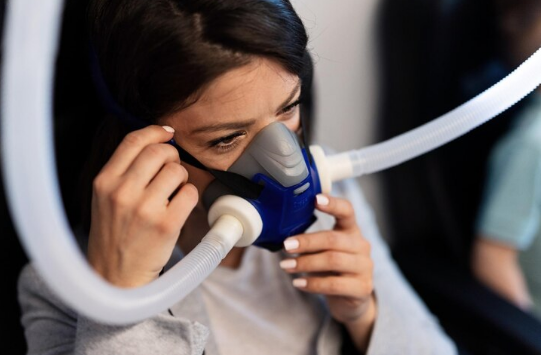
9. Non-Drug Asthma Treatments (Natural & Lifestyle Approaches)
Honestly, just popping pills isn’t gonna cut it. You need to shake up your routine a bit if you want your lungs to actually cooperate. Stuff like yoga, steaming your face over a bowl (grandma style), or just learning to breathe like you’re blowing up a stubborn birthday balloon—yeah, diaphragmatic and pursed-lip breathing, if you wanna get technical—can make a bigger difference than you’d think.
Also, don’t even get me started on smoke. Avoid it like your ex at a party. Keep the air inside your place fresh (seriously, open a window once in a while), and try not to let stress eat you alive. Stress is the worst for asthma. At Rauf Respiratory Care, we get that juggling meds with a bit of the natural stuff is the way to go, so we mix both. Trust me, it works better when you don’t just rely on one thing.
10. Environmental and Home Modifications
Honestly, your environment can totally mess with your asthma, or help keep it in check. Get yourself some hypoallergenic bedding—yeah, it’s a little bougie, but worth it. Skip the scented stuff like air fresheners or perfume, unless you’re trying to sneeze yourself into next week. Dust is the enemy, so try to keep things tidy (I know, easier said than done). Mold? Don’t even get me started. Just vacuum with a HEPA filter, do some regular cleaning, and try not to turn your place into a rainforest—keep the humidity down. When pollen’s out there having its big moment, keep those windows shut and let the AC do its thing. These little tweaks? They actually help a ton. Less triggers means you might not need to reach for your meds as much, and hopefully, you won’t get hit with those annoying flare-ups as often.
11. Managing Exercise-Induced Asthma
Look, if you start coughing or wheezing when you’re working out, yeah, exercise-induced asthma might be messing with you. It doesn’t mean you need to quit the gym or bail on your morning run. Just gotta be a bit smarter about it. Warm up first—seriously, don’t skip that. Hit your inhaler if your doc said so, and maybe avoid jogging outside when it’s freezing or if the place is packed tighter than a subway at rush hour. The wild thing is, sticking with exercise usually makes your lungs tougher in the long run. And if you’re lost on how to work out without feeling like you’re dying, Rauf Respiratory Care actually knows their stuff and can help you build a workout plan that won’t wreck you.
12. Dietary and Nutritional Support
Look, eating right definitely helps keep your body in fighting shape—less inflammation, stronger immunity, all that jazz. But let’s be real: no salad or smoothie is gonna cure your asthma. Chowing down on stuff packed with vitamin C and E (think berries, oranges, nuts), plus loading up on omega-3s (hello, salmon!) and drinking plenty of water can help keep your mucus from turning into glue. If you’ve got food allergies—like peanuts or shellfish—obviously, steer clear unless you’re into ER visits. Also, carrying extra weight? Yeah, that can make breathing way harder, so it pays to keep things in check. Healthy eating’s not a magic fix, but it sure gives your meds a boost.

13. Asthma Action Plans – A Personalized Roadmap
An asthma action plan is basically your game plan for when your lungs decide to act up. It’s like, “Hey, if you feel fine, you’re in the green zone—carry on. But if things get weird? That’s yellow, time to pay attention. And if you’re struggling? Red zone, don’t mess around—do what it says and maybe call for help.” No one wants to end up in the ER just because they didn’t know what to do. At Rauf Respiratory Care, we don’t just hand you a generic sheet and wish you luck. Nope—we actually tailor these plans so you know exactly what’s up, every single day. You’ll be way more chill about managing your asthma, promise.
14. Monitoring and Tracking Progress
Honestly, if you’re not tracking your breathing, you’re basically flying blind. Jot stuff down in a symptom diary or grab one of those peak flow meters—super nerdy, but actually kind of a game changer. Catching weird changes early means you’re not scrambling when things go sideways. And don’t skip your doctor visits, seriously. They’ll tweak your meds so you’re not just winging it with whatever you’ve got left in the cabinet. This isn’t just for people who have asthma attacks all the time, either—anyone who wants fewer “uh-oh” moments should keep tabs on what’s going on. Trust me, future you will be grateful.
15. Role of Education and Patient Awareness
Honestly, when you’re juggling something like asthma, knowing your stuff is half the battle. You figure out what sets you off, what those meds actually do (besides taste weird), and what to do when things get dicey—suddenly, you’re not just reacting, you’re in control. Over at Rauf Respiratory Care, they’re not just handing you an inhaler and waving you out the door. Nah, they show you how to actually use the thing, how to keep your space clear of asthma triggers, and what steps to take when you feel an attack coming on. It’s like they swap out that creeping anxiety for some real confidence. Way better than living in constant panic mode.
16. Emergency Treatment for Severe Asthma Attacks
If you’re smack in the middle of a nasty asthma attack, don’t mess around—speed is everything. Sit up, don’t lie down like you’re lounging on a Sunday morning. Grab that rescue inhaler, puff away (don’t be shy about it), and try not to lose your cool, even if your lungs are throwing a tantrum. If you’re still gasping after a few minutes? Yeah, it’s time to call for help—911 is your best friend here. Hospitals have the heavy-duty stuff: IV steroids, those wild nebulizer treatments that make you look like a dragon, sometimes even straight-up oxygen. Don’t kid yourself if it’s getting worse. Get help, fast—waiting it out is just asking for trouble. And hey, make sure your people (family, coworkers, whoever’s around) know your asthma game plan. No one should be scrambling for answers when things get real.
17. Advanced Procedures – Bronchial Thermoplasty
Bronchial Thermoplasty is usually thrown on the table when someone’s asthma just laughs in the face of all the regular meds. Doctors actually go in and zap the airway muscles with controlled heat—yeah, it sounds wild, but the idea is to thin them out so they don’t clamp down and make breathing a nightmare. Places like Rauf Respiratory Care have the fancy gear for this, and honestly, people swear it helps them breathe easier for the long haul. Not exactly your everyday asthma fix, but for some folks, it’s a total game changer.
18. Psychological and Emotional Support
Asthma and anxiety? Oh boy, that’s a messy combo. When your lungs start acting up, it’s pretty normal to freak out a little—or a lot. And, honestly, the stress just piles on and makes breathing even harder. It’s like a vicious little cycle.
Breathing exercises and mindfulness tricks aren’t just for hippies—they actually help. And, yeah, support groups can be a lifesaver. Sometimes ranting to folks who get it is the best medicine.
Bottom line: your head and your lungs are way more connected than people realize. At Rauf Respiratory Care, they actually get that. They care about your mental health just as much as your lungs because, let’s face it, you can’t fix one without the other.
19. Common Mistakes to Avoid in Asthma Treatment
People mess up the little things all the time—like brushing off mild symptoms, skipping meds, or, my personal favorite, using their inhaler like it’s a magic wand. Spoiler: rescue inhalers are just for putting out fires, not for dealing with the actual problem (inflammation’s still hanging around, FYI). Seriously, don’t go rogue and quit your controller meds outta nowhere. Want to keep your treatment on track? Show up for your checkups, actually learn how to use your inhaler right, and don’t ghost your doctor. It’s not rocket science, but it matters.

20. Conclusion: Living Well with Asthma
Dealing with asthma isn’t just popping a pill and calling it a day. It’s more like learning to dance with your lungs—takes practice, patience, and sometimes a little attitude. You wanna run around, travel, live your life? Yeah, you totally can, but it’s about keeping up with your meds and not ignoring the stuff your doctor keeps nagging you about. The goal? Not just to exist, but to actually breathe easy. At Rauf Respiratory Care, we’re all about mixing the latest treatments with some real talk and support that actually makes sense for your life. Don’t let asthma call the shots. Get smart, stay on top of it, and breathe like you own the place.