
Introduction – A World That Suddenly StoppedS
It was the end of 2019.
Streets of Wuhan, China, were full of lights, people and noise until the night when everyone suddenly realized that hospitals started filling with patients with high fever, dry cough and difficulty breathing.
Initially, physicians believed that it was a seasonal flu. But the disease was contagious more than one could think. After a few weeks, cases started to be reported in countries, oceans, and continents.
As of March 2020, the World Health Organization (WHO) pronounced it a global pandemic.
The disease was called the COVID-19, the abbreviation of Coronavirus Disease 2019.
The world was never the same again.

What Is COVID-19?
COVID-19 is an infectious disease that is caused by a newly identified virus known as SARS-CoV-2 (Severe Acute Respiratory Syndrome Coronavirus 2).
It is mostly used in the respiratory system i.e. the lungs, throat and nose, but there are other parts of the body that can be affected such as the heart, brain and kidney.
The name corona is given after the Latin word crown as when a microscope is used to view the virus it resembles its shape to a crown with little spikes forming a crown-like appearance around it. The spikes enable the virus to stick to human cells and be transmitted in a short period of time.
Causes of COVID-19
Infection by the SARS-CoV-2 virus is the key cause of COVID-19. Nevertheless, it had numerous reasons that predetermined its rapid dissemination and millions of people all over the world.
1. Human-to-Human Transmission
Droplet is the primary way of transmitting COVID-19 when an infected individual sneezes, talks or coughs.
When the droplets are inhaled by another individual then he or she can be infected.
It may also be transmitted when an individual comes in contact with infected surfaces and subsequently touches his mouth, nose, or eyes.
2. Crowded Places
The virus could easily spread between individuals due to congestion in such places as markets, transport, schools, and meetings.
3. Lack of Early Awareness
At the beginning, a low number of people knew what COVID-19 was or how threatening it might be.
Hygiene, masks, and social distancing were absent, and the virus was spreading across borders freely.
4. Global Travel
The virus transmitted to another country within weeks due to the fact that the world is highly interrelated due to international flights and trade.
A single infected traveller would infect hundreds of people.
5. Weak Immune Systems
Individuals whose immunity was low like the old age or those who had chronic illnesses like diabetes or heart conditions were at a disadvantage, they were usually very sick.

Symptoms of COVID-19
The effects of the COVID-19 were mild and severe, varying on the immunity and health status of an individual.
Fever
Dry cough
Sore throat
Loss of smell and taste
Headache and body pain
Breathing difficulties
Fatigue and weakness
In critical situations patients contracted pneumonia and had to be hospitalized or put on oxygen.
Diseases and Complications Caused by COVID-19
COVID-19 did not only lead to a viral infection, but it sparked a series of other illnesses and health conditions.
Major ones can be discussed below:
1. Respiratory Diseases
The first to be affected was the lungs.
COVID-19 often led to:
Pneumonia: Intensive inflammation of the lungs, which caused breathing to be painful and hard.
Acute Respiratory Distress Syndrome (ARDS): This is a serious illness in which the blood oxygen levels become extremely low and may cause death.
The long term damage to the lungs is chronic, as some patients had problems breathing after recovery because of scarred lung tissues.
2. Cardiovascular Diseases
The heart and blood vessels were not spared by the COVID-19.
Many patients developed:
Myocardial infarction (Heart attack).
Stroke and heart attack blood clots.
Atrial fibrillation and chest discomfort.
Research revealed that individuals having underlying heart issues were at risk of painful demise.
3. Neurological Disorders
The virus did not end at the lungs but even the brain was not spared.
The common neurological effects were:
Headaches and dizziness
Loss of concentration (brain fog)
Loss of smell or taste
In extreme cases, stroke and seizures.
4. Diabetes and Metabolic Disorders.
Diabetics were put in a great danger as the virus influenced the insulin level and sugar control.
Others even contracted new diabetes following COVID infection as a result of organ damages.
5. Kidney and Liver Damage
COVID-19 is capable of damaging internal organs such as the kidneys and liver particularly to individuals with underlying disorders.
This was sometimes costly in terms of dialysis or other extended care.
6. Post-COVID Syndrome (long COVID).
Even after testing negative, many of them still felt sick even months later.
It was referred to as Long COVID and comprised:
Fatigue and weakness
Shortness of breath
Chest pain
Brain fog and poor memory
Joint and muscle pain
7. Mental Health Disorders
The psychological and emotional consequences of COVID-19 were enormous.
The quarantine, the fear of getting sick, unemployment and isolation resulted in:
Depression
Anxiety
Insomnia
Post-traumatic stress (PTSD)
Mental health in most countries became a bigger crisis than the disease.
Global Impact of COVID-19
COVID-19 was not a health crisis, but a worldwide phenomenon that influenced all spheres of human activity.
1. Economic Impact
Businesses were shut down, people laid off and economies failed.
Millions of families could not afford food, rent and medical services.
The pandemic made the world realize that the world economy could become weak at any time.
2. Educational Disruption
Academic institutions closed down and millions of learners have been rendered to online education.
Some of them adjusted fast but some others, particularly in the poor areas, were abandoned.
3. Social and Emotional Impact
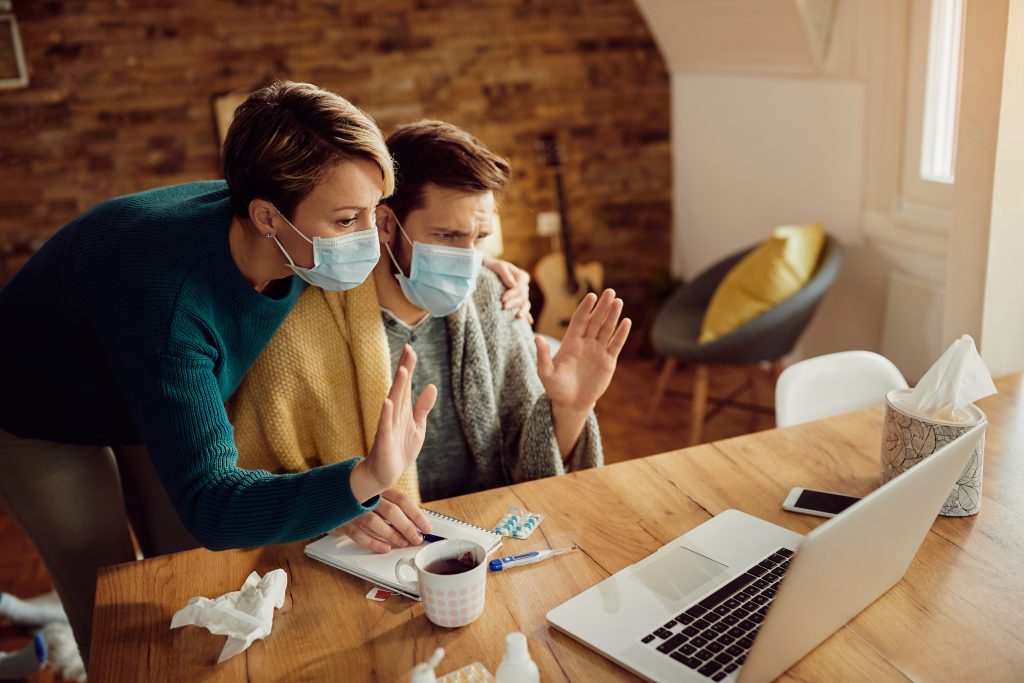
Family, friends, and loved ones were torn apart because of lockdowns.
Even weddings, festivals and even funerals were conducted with restrictions.
Human beings were taught the actual definition of isolation and remoteness.
4. Environmental Impact
Interestingly, in situations where human beings remained indoors, nature started recovering.
Pollution in the air was reduced, rivers were cleaner and animals were free.
It was a very short expression on how much we human beings contribute to our planet.
Prevention – How to Protect Yourself from COVID-19
Although vaccines and medicines have assisted in the control of the spread, prevention is the ultimate cure.
The following are the best methods of being safe and others:
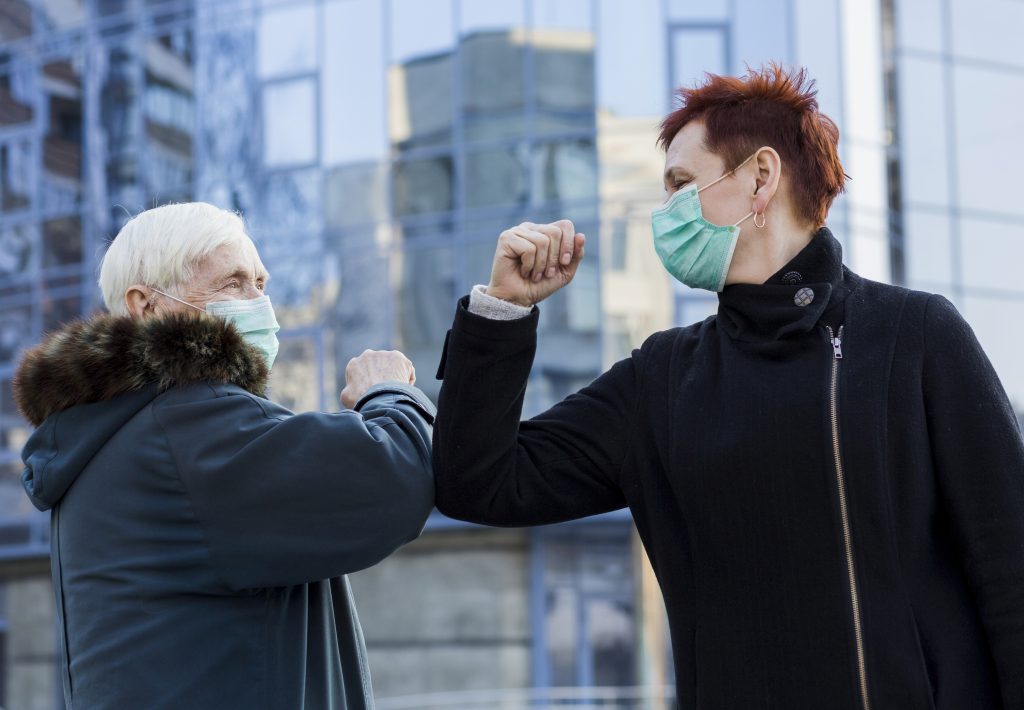
1. Wear a Mask
The masks are used to block any droplets that can be carrying the virus.
Wearing it in the streets keeps you as well as the people around you safe.
2. Wash Hands Regularly
Wash your hands with soap at least 20 seconds -and that too when you have touched any surface or are outside.
3. Keep Distance
Keep a distance of at least 6 feet between oneself and others more so in busy places.
4. Avoid Touching Face
Touching your eyes, mouth, or nose without washing your hands is forbidden.
5. Boost Immunity
Consume zinc and Vitamin C containing fruit, vegetables, and foods.
When there is a good immune system, then infections can easily be combated.
6. Get Vaccinated
The largest weapon against COVID-19 is vaccines.
They decrease the chance of serious morbidity and hospitalization.
7. Stay Mentally Healthy
Meditation, prayer, reading and chatting with people one loves, helps in keeping in check of emotions during stressful situations.
Lessons Learned from the Pandemic
COVID-19 was a lesson to the world:
Health is wealth. A healthy life is something that can never be replaced with money.
Science matters. Millions of lives were saved with medical research and vaccines.
It is the most about unity and kindness. The pandemic demonstrated the strength of the willingness to help.
Preparedness is key. The globe should never be unprepared in case of a health crisis.
Conclusion – Hope After the Storm
COVID-19 became one of the most dismal in the history of this century.
It was painful, lost, and feared, yet it was courageous, creative and cohesive.
Nurses and doctors were working 24 hours in a row. Researchers developed vaccines in the shortest time.
Common citizens turned into heroes – they started assisting neighbors, giving food to the poor, and bringing hope.
Today, the world is healing. Life is gradually getting normal.
Yet the recollection of deserted avenues and veiled visages and sirens will ever remind us that we lived through because we fought collectively.
COVID-19 altered the world, but it also made us realize what is really important to us life, love and humanity.
