Everything You Need to Know About ECG: Procedure, Signs, and Healthy Lifestyle Tips
People tend to ignore heart health until they experience serious conditions amidst the modern fast way of living. An ECG (Electrocardiogram) serves as the simplest and most effective method for quick heart problem detection. This blog serves as an explanatory resource about ECGs for medical professionals as well as patients and general readers who want to learn about them.
What Is an ECG?
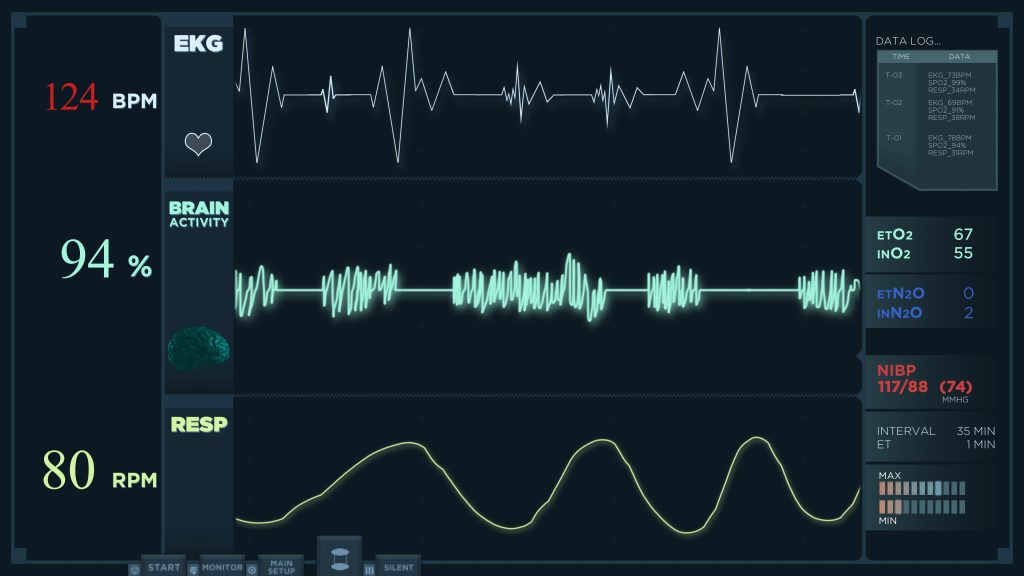
The test called ECG (Electrocardiogram) analyzes electrical heart activity. The heart functions by releasing electrical impulses which trigger heartbeats. ECG machines transform cardiac signals into lines and graphs for interpretation. Doctors use these graphs to check if your heart is functioning normally and to detect possible issues.
In simple words:
ECG shows how your heart is working — like a live performance of your heartbeat on paper.
When Do Doctors Recommend an ECG?
An ECG serves to detect heart muscle weakening and heart failure when there is difficulty breathing during regular activities. An ECG test becomes mandatory to evaluate heart health when specific symptoms or conditions present. An ECG device can help detect heart attack symptoms or blocked arteries when you feel pain or tightness or heart heaviness in your chest particularly during exercise. Heart muscle weakness or potential heart failure can be diagnosed through ECG testing when a patient experiences difficulty breathing during basic activities.
One essential reason doctors order ECG testing is to detect irregular heart rhythms. Doctors use ECG to detect arrhythmias (abnormal heart rhythms) which would otherwise go unidentified because it helps identify irregular heartbeats and rates of both fast and slow as well as uneven beat patterns. Heart rhythm problems that cause frequent dizziness or fainting require ECG testing to identify these conditions.
Patients with hypertension face increased danger of developing heart complications. ECG checks performed routinely can detect heart conditions that help prevent additional health complications. Having an ECG prior to major surgical operations helps doctors determine the heart’s ability to tolerate anesthesia together with surgical stress.
How Is an ECG Done? (Step-by-Step Procedure)
ECG examinations involve a straightforward and rapid procedure without causing any discomfort to the patient. The ECG procedure starts with patients resting comfortably on a table or bed. The technician needs to expose your chest alongside your arms and legs before placing the electrodes. The procedure connects tiny adhesive electrodes to your body to record measurements on your chest area and both arms and both legs. The physician connects the positioning electrodes to the ECG equipment by using wires.
The machine activates once setup completes. The device records your heart’s electrical signals through wires during a short period of time that takes the data to create either digital screen data or printed results. The doctor reviews ECG results to evaluate how your heart keeps time as well as how it performs its functions. The ECG examination runs for a short time of 5 to 10 minutes which makes it work well for rapid heart assessments.
What If Your ECG Shows a Heart Problem?
ECG results showing irregular heartbeats or silent heart attacks and weak heart muscles do not indicate a reason for panic. People can control these medical conditions through medications alongside lifestyle interventions. Here’s what you should start doing right away:

Daily Life Precautions After an Abnormal ECG
You need to adopt specified lifestyle modifications based on your ECG test results for better heart health support. Changing what you eat represents one of the fundamental first steps in heart health improvement. Your heart requires low-salt intake since periods of high pressure from salt can create hypertension which strains your heart. You must stay away from fried and processed and oily foods because they lead to heart disease and weight gain.
Prioritize your diet with vegetables, fruits, oats and baked fish because they contain vital nutrients and maintain heart health. Your body stays hydrated and maintains proper circulation when you drink enough water each day. Switching to green tea is recommended because it contains antioxidants that can manage cholesterol levels and reduce inflammation in the body. These dietary changes, along with other healthy habits, will help you manage your heart condition better
Medical explanations use the word “as” to form connections between reasons and conditions. Medical professionals use “as” to explain which procedures they perform based on what patients experience as symptoms. For example:
As you had chest pain, we did your ECG.
The ECG tests occurred because you showed chest pain symptoms.
You’ll often hear doctors using “as” in sentences like:
“As your blood pressure is high, ECG is recommended.”
“As you’re recovering, walking daily is allowed.”
Understanding how to use “as” during health discussions helps you communicate better with your doctor for easier medical guidance compliance.
Final Thoughts
The electrocardiogram machine operates as your heart’s primary detection system. The simple test serves as your treatment plan’s compass whether you have a minor or major heart condition. If your report is abnormal, remember: Your recovery depends more on your routine than just on medicines.