
Introduction
It is critical to prepare your home for survival as war clouds build and the echoes of Ghazwa-e-Hind become more audible. This is a helpful guide to help protect your family, not a political statement. Access to basic necessities such as food, medicine, and hospitals is uncertain in warlike situations. In order to keep you and your loved ones safe in any situation, this article will assist you in turning your house into a safe medical and survival area.
1. Build a Dedicated First Aid Zone in Your Home
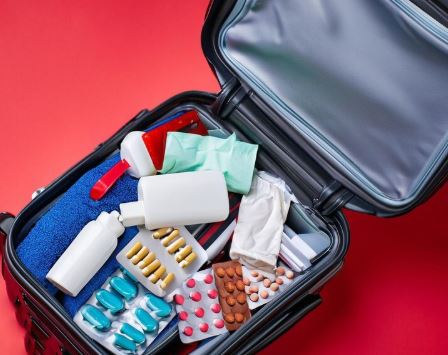
Hospitals are either overcrowded or unavailable during wartime. In an emergency, a first aid station at home can save lives. Provide a hygienic, easily accessible space and fill it with bandages, antiseptics, common illness medications, and equipment such as blood pressure monitors and thermometers. Add your own prescription drugs for long-term illnesses like diabetes, asthma, or high blood pressure. Every family member should be aware of this area, which is updated once a month.

2. Emergency Medical Kit Essentials: What You Really Need
Instead of using pre-made kits, make your own according to your family’s requirements. Add ORS sachets, basic pain relievers, antibiotics, allergy medicine, antiseptic wipes, gloves, and a digital thermometer. Keep age-appropriate medications and dietary supplements on hand for young people and senior citizens. Additionally, keep extra batteries and power banks on hand for any electronic devices, such as nebulizers or glucometers.
3. Stock 15 Days of Non-Perishable Food and Clean Water
Supermarkets quickly run out during a war. Keep canned goods, rice, lentils, flour, energy bars, powdered milk, and cooking oil on hand. Each person should keep at least three to four liters of water on hand each day. Add a tiny filtration device or water purification tablets. To maintain freshness, these supplies need to be kept in dry, airtight containers that are rotated every two to three months.
4. Safe Water Storage and Purification Plan
Life depends on water, particularly during emergencies. Water should be kept out of direct sunlight in hygienic, labeled containers. If purification systems don’t work, boil water or use chlorine tablets before drinking. In your emergency bag, keep Lifestraw-style tools or portable filters. Always have a purification backup; never rely just on bottled water.
5. Power Backup: Keep the Lights On When the Grid Fails
During a war, power outages are frequent. Use backup batteries, solar-powered lights, and fully charged power banks to keep your house powered. Install a small generator or solar system if you can. Candles should be avoided because they can catch fire. Store lights and fans that can be recharged for use at night. Give lighting in exit areas, such as hallways and stairwells, top priority.

6. Home Security Measures: Make Your Home a Fortress
Home invasions rise during times of lawlessness. Use window bars, strengthen door locks, and maintain emergency whistles in every room. Install lights and motion sensors outside that run on batteries. Disguised emergency phone numbers should be kept in several locations. Instruct family members on how to react in the event of an attempted break-in
7. Prepare a Family Emergency Communication Plan
In times of chaos, communication is life-saving. Make a basic family plan that outlines who will call whom, where you will meet if you are separated, and what each person is responsible for. Every month, put these into writing and practice them. Make use of offline chat applications or walkie-talkies that don’t require the internet. Each member of the family should carry an emergency contact card in their wallet.
8. Ready Your ‘Go Bag’: Emergency Kit for Quick Evacuation
Every home needs a “Go Bag,” which is a backpack filled with necessities in case you have to leave quickly. Pack a flashlight, basic tools, clothing, ID copies, medicine, snacks, a power bank, a water bottle, and a small Holy Quran. For easy access, keep it under the bed or close to your main door.
9. Mental Health & Spiritual Strength During Crisis
War shakes the soul in addition to the body. Spiritual activities like daily prayers, reciting the Quran, and holding inspirational talks can help your family stay calm. Steer clear of fake news and panic. Provide children with books and games to keep them occupied. Maintaining mental toughness is half the fight won.
10. Teach Basic First Aid to All Family Members
Even kids should be able to treat burns and stop bleeding in an emergency. Teach your family how to use basic medical equipment, clean wounds, and perform CPR. YouTube courses and videos are available for free. Hang first aid charts in your first aid area after printing them out.
11. Stay Informed: Trusted News, Not Rumors
Misinformation spreads like wildfire during times of war. Select two to three reliable sources (radios, apps, or TV channels) and stay away from fake news and forwards. Instruct your family to check news before acting. To stay connected even in the absence of electricity, keep a radio that runs on batteries.
12. Digital Safety & Using DPP for Medical Coordination
Platforms like DPP (Dental Professional Portal) allow medical professionals to share emergency alerts, keep patient-free medical records, and collaborate online with other staff members. A digital system aids in monitoring medication inventory, employee attendance, and treatment reports even when the facility is closed. Make use of it as a practice’s virtual backup.

13. Special Care for Kids, Elderly, and Disabled
These groups require more focus. In your emergency area, keep supplies like baby food, diapers, toys, adult diapers, and walking aids. If evacuation is required, designate someone to look after them. Keep written instructions and clearly label their medication.
14. Maintain Hygiene to Prevent Disease Spread
Infection spreads quickly in war zones. Prepare masks, sanitizers, soaps, and disinfectant sprays. Every day, clean your food and water containers. High-touch locations, such as switches and doorknobs, should be cleaned. As soon as someone becomes ill, isolate them and clean their surroundings.
15. Practice Monthly Drills: Turn Theory into Habit
Without practice, the written material won’t be effective. Check food and medication expiration dates, practice evacuations, test emergency plans, and simulate a blackout once a month. When actual trouble arises, drills will automate your response.
Conclusion
Ghazwa-eAlthough fate may be in your rear, you have the power to prepare. It takes action, not fear, to transform your house into a safe place. You can give your family the best chance to survive and prosper in times of chaos by organizing medical safety, obtaining necessities, and preserving mental and spiritual fortitude. Begin now, as the true triumph lies in being prepared.

Stay safe. Stay prepared. Stay strong.