
LVF vs IHD: Understanding the Difference Between Left Ventricular Failure and Ischemic Heart Disease
Cardiovascular diseases are widely spread and dangerous health problems globally. LVF (Left Ventricular Failure) and (IS) IHD are two medical conditions which are most commonly used side by side. They are both connected to the heart but they are not identical. These terms are often confused by many individuals as they both influence the functioning of the heart though they have varying causes, symptoms, and treatments.
This paper will answer all your questions about LVF vs IHD, such as their definition, the differences between the two, their symptoms and diagnoses, and treatment by doctors.
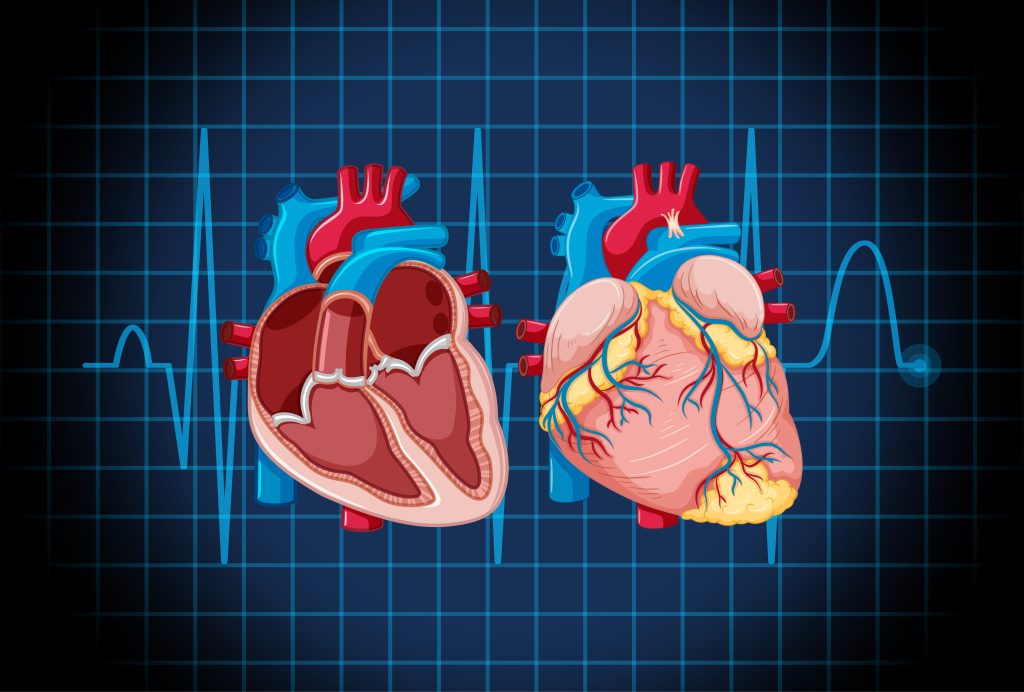
What is LVF (Left Ventricular Failure)?
LVF or Left Ventricular Failure signifies that the left ventricle, which is the major pumping chamber of the heart, fails to pump blood effectively to the rest of the body.
The left ventricle functions by pumping blood that is rich in oxygen to all the body organs. Once it does not do its work correctly, the blood begins to collapse in the lungs causing breathing difficulties, fatigue and fluid retention.
What is IHD (Ischemic Heart Disease)?
IHD or Ischemic Heart Disease is also referred to as Coronary Artery Disease (CAD). It happens as a result of a narrowing or obstruction of blood flow to the heart muscle most commonly due to the deposition of plaques along the coronary arteries.
As a result of inadequate blood circulation it becomes ischemic (starved with oxygen) when the heart muscle is deprived of sufficient oxygen and nutrients. This may in the long term cause angina (chest pain) or even heart attack (myocardial infarction).
Types of LVF
Left Ventricular Failure is of two major types:
- Systolic LVF:
This occurs when the heart muscle becomes weak and fails to contract. Consequently, the amount of blood ejected per beat is reduced.
- Diastolic LVF:
This is the case when the left ventricle gets rigid and is not able to relax. Although it has the ability to shrink, it does not have the capacity to fill up sufficient blood.
Both of them result in decreased blood circulation and can cause congestive heart failure unless addressed promptly.
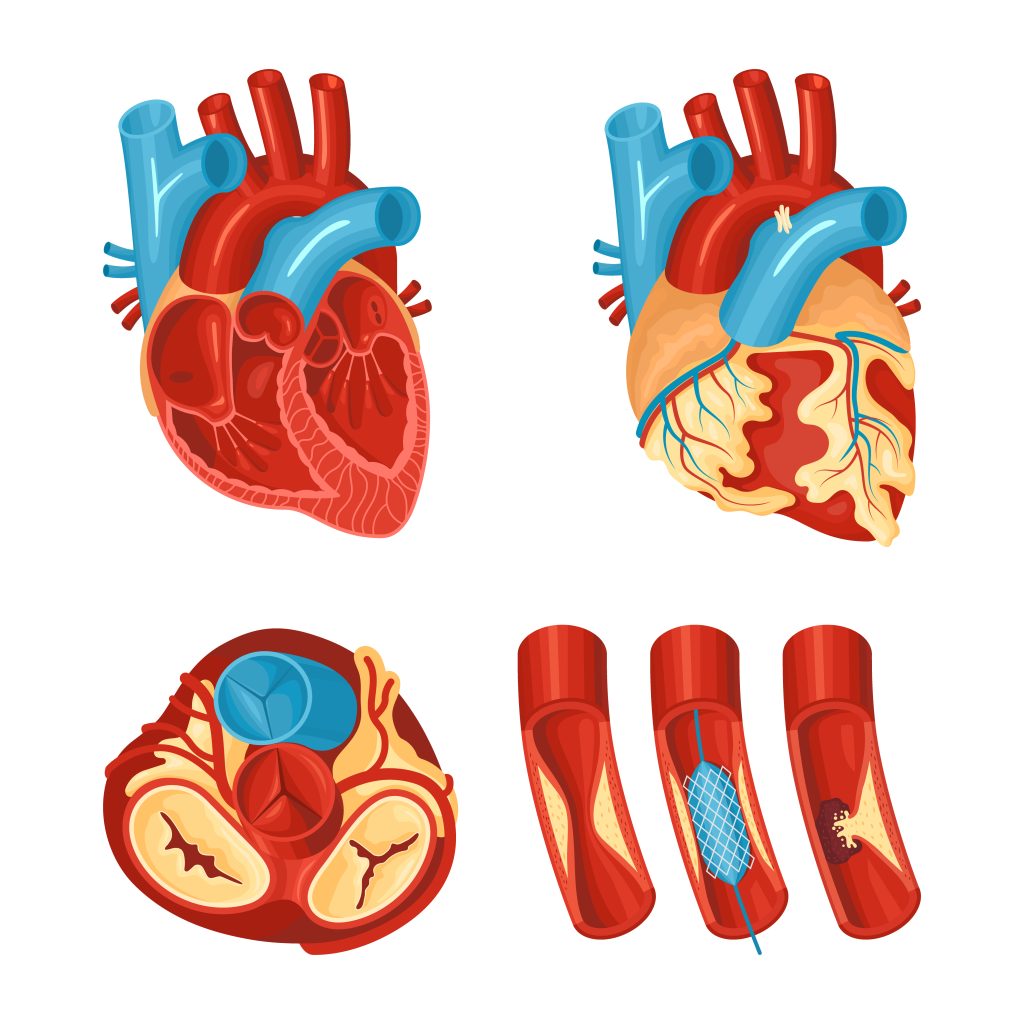
Types of IHD
- Stable Angina:
This is a type of chest pains that can be experienced during physical activity or stress and disappear with the rest.
- Unstable Angina:
The pain in the chest is felt even when a person is resting; it is more severe and can be a sign of a heart attack in the future.
- Myocardial Infarction (Heart Attack):
Acceptance of the total blockage of a coronary artery, resulting in the death of part of the heart muscle.

Characteristic
LVF (Left Ventricular Failure)
IHD (Ischemic Heart Disease)
Definition
Left ventricle pump failure.
Decreased circulation of blood to the heart muscle by blocked arteries.
Main Cause
Weakness or rigidity of heart muscle.
Atherosclerosis (deposition of fat in the coronary arteries).
Key Issue
Pumping activity of the left ventricle.
Blood going to the heart muscle.
Symptoms
Breathlessness, tiredness, edema.
Pain in the chest, pressure, dyspnea, myocardial infarction.
Impaction on Heart
Somebody who is affected will experience issues with heart failure as well as lung congestion.
Causes myocardial infarction and angina.
Diagnosis
Echocardiogram, ECG, chest X-ray, BNP test.
ECG, stress, coronary angiography.
Therapy
Diuretics, ACE-inhibitors, beta-blockers.
Nitrates, statins, angioplasty, bypass surgery.
How IHD Can Cause LVF
Ischemic Heart Disease is amongst the most widespread causes of Left Ventricular Failure. In case the arteries that are supplying the heart are blocked or narrowed by the IHD, some portions of the heart muscle are made weak or die because of the shortage of oxygen.
This is damage to the left ventricle whereby it becomes less effective in pumping blood. This eventually results in chronic LVF.
Process in Simple Steps:
Calcification accumulates in the coronary arteries →
Reduction in blood to left ventricle occurs →
Oxygen supply drops →
Muscle cells of the heart die or become weaker →
Left ventricle fails →
Heart failure symptoms are exhibited.
That is the reason why LVF and IHD are strongly interconnected, IHD is the one that is frequently the basis of LVF.
Symptoms: LVF vs IHD
Symptoms of LVF
- Dyspnea (particularly in the lying position)
- Fatigue or weakness
- Muscle swelling of legs, ankles or feet (edema)
- Pertussis-like cough or wheezing.
- Holyrood and/or irregular heart rate.
- Slowness in the day to day performance.

Symptoms of IHD
- Pain or discomfort in the chest (angina).
- Neck, jaw, shoulder, arm pain.
- Shortness of breath
- Cold sweats
- Dizziness or nausea
- Heart palpitations
- The primary distinction is that LVF predisposes a fluid retention and respiratory difficulties whereas IHD results in chest pain as a result of decreased blood flow.

Causes and Risk Factors
Common Causes of LVF

Ischemic heart disease (most frequent)
Hypoestrogenism and high blood pressure (hypertension)
Heart valve disease
Heart disease caused by the heart muscle (cardiomyopathy).
Diabetes
Alcohol abuse
Cardiovascular viral infections.
Common Causes of IHD

Atherosclerosis (hardened deposits in arteries)
High cholesterol levels
High blood pressure
Obesity
Sedentary lifestyle
Diabetes
Stress
As you will see, LVF and IHD have a similar risk factor, in particular, hypertension, diabetes, and cholesterol. This is the reason behind preventive care.
Diagnosis: How Doctors Identify LVF and IHD
Diagnosing LVF
To determine the performance of the left ventricle, doctors run a number of tests:
Echocardiogram (ECHO): Displays the pump power of the heart (ejection fraction).
Electrocardiogram (ECG): This identifies irregular heart rhythm or heart attacks in the past.
Chest X-ray: Discovers the presence of fluid in the lungs or the heart being deformed.
BNP Blood Test: This is to measure a hormone released when there is a heart failure.
Diagnosing IHD
To rule out Ischemic Heart Disease, the doctors can suggest:
ECG: This monitors slowed blood circulation or past heart attack.
Stress Test: Testing the heart during exercise.
Coronary Angiography: This is used to diagnose the presence of blockages in arteries.
CT Coronary Scan: The scan produces three-dimensional pictures of the heart blood vessels
Treatment: LVF vs IHD
Treatment for LVF
The primary objective is to enhance the pumping action of the heart and alleviate fluid overload.
Common treatments include:
Diuretics: To remove excess fluid.
ACE inhibitors / ARBs: These medicines help open blood vessels and decrease the workload on your heart.
Beta blockers: Slows heart rate and makes contractions stronger.
Aldastrone Antagonists: For Regulation of sodium and water balance.
Lifestyle and home remediesLow-salt diet, regular exercise, avoid alcohol.
Treatment for IHD
The main aim here is to get blood flowing back to the heart and keep those arteries from clogging up again. Here’s how doctors tackle it:
Nitrates help ease chest pain.
Aspirin or other anti-platelets stop new clots from forming.
Statins bring cholesterol down.
Angioplasty (PCI) uses a tiny balloon or stent to open up blocked arteries.
Coronary artery bypass surgery (CABG) builds new routes for blood to get around the blockage.
Complications of LVF and IHD
If you don’t treat these conditions quickly, things can get dangerous fast.
Complications of LVF:
- Fluid builds up in your lungs (pulmonary edema)
- Kidneys start to fail because they aren’t getting enough blood
- Your heart might beat out of rhythm (arrhythmias)
- You can even go into sudden cardiac arrest
Complications of IHD:
- Heart attack
- Stroke
- It can actually lead to LVF too
- And, in the worst case, sudden cardiac arrest
Bottom line: IHD can trigger LVF, and if you ignore IHD, LVF can follow—and both can end up being life-threatening.
Prevention Tips for Both LVF and IHD
Your heart really takes its cues from how you live day to day. Want to lower your risk of LVF and IHD? Start with a few basics. First, quit smoking. Nicotine just beats up your arteries and your heart. Keep your blood pressure in check because high numbers force your heart to work harder than it should. Load up on fruits and veggies, and go easy on fatty foods. Make time for a little exercise—a brisk half hour every day keeps your blood moving and your heart happier. If you have diabetes, stay on top of your blood sugar. Don’t let stress run the show, either; too much of it can push your heart over the edge. And don’t skip your checkups. Catching a problem early makes all the difference.

LVF vs IHD: Which is More Dangerous?
Both are serious problems, but IHD usually comes first and sets off LVF. Catch IHD early and treat it, and you can stop LVF before it starts. But once LVF shows up, it sticks around—you’ll need to manage it for the long haul.
Put simply:
👉 IHD = Cause
👉 LVF = Effect
So, the best way to dodge Left Ventricular Failure is to prevent Ischemic Heart Disease in the first place.
Conclusion
LVF and IHD—they’re tied together, but they’re not the same thing. LVF means the left ventricle can’t pump blood like it should. IHD is about narrowed or blocked arteries feeding the heart. Most of the time, IHD comes first and eventually leads to LVF. That’s why it’s so important to notice early warning signs like chest pain, breathlessness, or feeling unusually tired, and to get medical help fast. Taking care of your heart really comes down to basics: eat well, stay active, keep your blood pressure, cholesterol, and diabetes in check, and actually listen to your doctor. That’s how you protect yourself from both LVF and IHD.