
Introduction
Pneumonia and influenza rank among the most prevalent respiratory infections that result into illness and fatalities around the world. The vaccines against influenza and pneumococcal are decisive in the prevention of these diseases and the protection of the vaccinated against fatal outcomes. These vaccines do not only save lives, but reduce the burden on healthcare because they allow the avoidance of hospitalizations. This article serves as a thorough awareness and prevention guide with the description of the vaccines, their purposes, their necessity, and those individuals who require the vaccines.
Understanding Pneumococcal and Influenza Infections
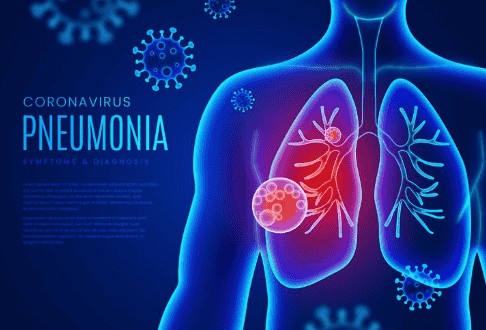
Influenza viruses and Streptococcus pneumoniae bacteria are the causal agents of influenza and pneumococcal diseases, respectively. However, when not treated, the two may lead to severe respiratory complications, hospitalization, or even death. Whereas influenza attacks the respiratory system and develops fever, exhaustion and body pains, pneumococcal infections may develop bloodstream or meningitis or pneumonia. The diseases are very dangerous in combination as they endanger the health of the populace, especially the youth, elderly, and individuals with poorly functioning immune systems.
What is the Pneumococcal Vaccine?
Pneumococcal vaccine is used in developing resistance of the body against the Streptococcus pneumoniae bacteria. There are two major types of pneumococcal vaccines PCV13 (Pneumococcal Conjugate Vaccine) and PPSV23 (Pneumococcal Polysaccharide Vaccine). Although PPSV23 is recommended in adult individuals and older adults, PCV13 is mostly used against newborns and children. The two vaccines also offer permanent defense against various bacteria types and prevent harmful diseases such as bacteremia, meningitis, and pneumonia.
What is the Influenza Vaccine?
Flu shot as well as the influenza vaccine is meant to offer cover against the most common strains of the influenza virus that take place every year. These vaccines are revised on a yearly basis due to new strains of the flu virus as they are fast changing. It is available in form of nasal spray or injection. Vaccination before the seasonal outbreak of the flu can mitigate the severity of flu attack and prevent hospitalization, as well as death in high-risk groups.
Why These Vaccines Are Important
Both influenza and pneumococcal vaccines are required since they prevent diseases that may lead to significant complications. A combination of influenza and pneumonia may lead to severe respiratory distress, hospitalization, or even death, especially in older individuals and individuals having a long-term medical history. Vaccination helps prevent these overlapping infections by reducing bacterial infections, reducing the level of antibiotic resistance, and protecting vulnerable populations against potentially deadly outcomes.
How the Vaccines Work in the Body
Both influenza and pneumococcal vaccines are required since they prevent diseases that may lead to significant complications. A combination of influenza and pneumonia may lead to severe respiratory distress, hospitalization, or even death, especially in older individuals and individuals having a long-term medical history. Vaccination helps prevent these overlapping infections by reducing bacterial infections, reducing the level of antibiotic resistance, and protecting vulnerable populations against potentially deadly outcomes.
Who Should Get the Pneumococcal Vaccine
It is also recommended that every child below the age of two should be vaccinated against pneumococcal disease.
adults 65 years of age and up.
individuals having chronic illnesses such as diabetes, cardiovascular disease, or pulmonary complications.
those undergoing chemotherapy or with depressed immunity.
patients who smoke or are alcoholic because they are prone to infection.
To receive specific recommendations, it is essential to discuss the issue with a medical worker since the vaccination does not occur at the same time, and it depends on age and health condition.
Who Should Get the Influenza Vaccine
The influenza vaccine is recommended to almost all people who are above the age of six months. It is more so as influenza may lead to significant complications of pregnancy, especially among pregnant women and the elderly (65 and older).
custodians and medical workers who get into contact with infected individuals.
patients with heart disease, diabetes, asthma, or poor immunity.
Children, who often and easily transmit influenza within the societies.
Due to the periodic alterations of the influenza virus, the vaccination is needed every year.
The Connection Between Pneumonia and Influenza
Influenza destroys the immune system and lungs making the body more susceptible to bacterial infections such as pneumococcal pneumonia. Such a combination is often detrimental and might result in hospitalization or even death. It has been known that individuals who get both influenza and pneumococcal vaccination have very low rates of respiratory complications. Therefore, when vaccinations are made simultaneously, they are fully protective.
Common Myths About Pneumococcal and Influenza Vaccines
Because of the common myths, including the belief that vaccines are a waste of time or not particularly healthy, a lot of people refuse to be vaccinated. Such misconceptions however are not true. Vaccines do not cause the flu or pneumonia, they simply make the immune system ready to attack real infections. The other myth is that healthy individuals do not need to be vaccinated yet it is even individuals who are healthy that can transmit infections to vulnerable groups. When individuals become informed about the fact about vaccines, they tend to boost their level of trust in the immunization programs and their participation.
Possible Side Effects of the Vaccines
Overall, these two vaccines are safe and well-tolerated. Common side effects like fatigue, mild fever, redness/swelling on the side of an injection are transient in nature. Side effects are very minimal and serious in nature. These minor reactions are indicative of the body developing immunity. To be on the safe side, individuals with severe allergens to the vaccine constituents should consult their physician before getting vaccinated.
The Best Time to Get Vaccinated
Honestly, just get your flu shot before autumn hits—don’t wait until everyone around you is sneezing and coughing. That’s when the virus really starts making its rounds. Your immune system needs a little time to gear up, you know? Now, the pneumonia vaccine? You’ve got some wiggle room there. Doesn’t really matter when you get it; any time works. But if you’re older or dealing with some chronic health stuff, lining up both shots before winter is just smart. Why risk it? No one wants to spend the holidays stuck in bed with a fever.
Benefits of Getting Vaccinated
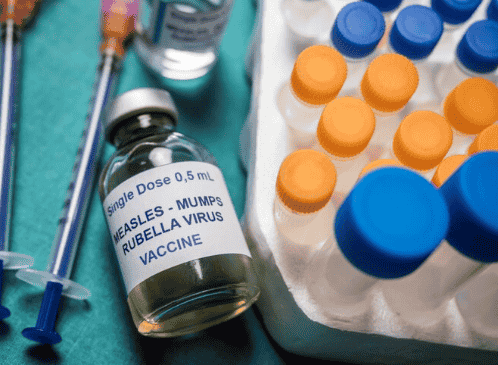
Honestly, vaccines do way more than just keep you from getting sick. When enough people get their shots, it kinda forms this protective bubble—herd immunity—for everyone, including folks who can’t get vaccinated themselves. Plus, you dodge those annoying sick days and save some cash on doctors and meds. Nobody wants to be the person who spreads nasty germs to grandma or the neighbor’s newborn, right? Bottom line: vaccines are cheap, super effective, and make life a heck of a lot safer for all of us.
Challenges in Vaccine Uptake
Let’s be real: tons of folks still skip these vaccines, even though science is practically waving a giant neon sign saying, “Hey, this stuff helps!” Why? Well, sometimes it’s just not that easy to get a shot—especially out in the boonies or if money’s tight. Other times, people buy into wild stories floating around online, or they just don’t know much about the risks. Plenty of people shrug off respiratory infections, thinking, “Eh, it’s just a bad cough,” while some get freaked out over possible side effects. If anyone actually wants to boost those vaccination numbers—especially where resources are thin—maybe stop with the boring pamphlets and actually meet people where they are. Make the shots easy to get, keep it simple, and cut through the noise with real talk. Otherwise, good luck moving that needle.
Combination of Pneumococcal and Influenza Vaccination
Look, if you’re older or have some chronic illness hanging around, doctors pretty much beg you to get your flu and pneumonia shots. And honestly? They’re right. You can get both jabs in different spots at the same appointment—no need for a return trip, which is great because who actually wants to go back to the doctor? Getting both shots together isn’t just about ticking boxes: it actually slashes your chances of ending up in the hospital, or worse, catching some nasty combo of illnesses. There’s research out there showing that getting both vaccines really does help more folks make it through flu season in one piece, especially the older crowd. So, yeah, your doc isn’t just being dramatic—these shots matter.
The Global Impact of Vaccination Programs
You know, ever since those big vaccine pushes took off around the world, cases of pneumococcal disease and the flu have totally tanked. Like, way fewer kids dying, and even grandma isn’t ending up in the hospital as often. Pretty wild what some shots can do, right? The WHO’s still making a ton of noise about getting vaccines out there, especially in places where stuff like pneumonia still takes out way too many kids. Honestly, without these global vaccine drives, millions more people wouldn’t be here today. Vaccines are kinda the unsung heroes—no cape, just syringes.
Vaccine Availability and Cost
Honestly, you can grab a pneumococcal or flu shot at most government clinics, hospitals, or even your neighborhood doctor’s office in a ton of countries. Kids, seniors, and anyone dealing with chronic health stuff usually get these shots for free—yeah, thanks to those national health programs. Even if you’ve gotta pay out of pocket, it’s usually way cheaper than ending up in the hospital because you skipped your shot. Vaccines are seriously one of the best bargains out there if you care about not getting wrecked by some nasty illness later.
Post-Vaccination Care and Monitoring
Honestly, after you get your shot, just chill for a bit—like, don’t bolt for the exit right away. They wanna make sure you’re not suddenly breaking out in hives or anything wild. If you feel a little feverish or your arm’s sore, nothing fancy: pop some Tylenol or slap on a cold pack. Seriously, just take it easy for the next day, drink some water, binge-watch something dumb—whatever works. But hey, if anything feels way off or you start reacting in a freaky way, don’t play hero—call your doctor, stat.
The Role of Healthcare Professionals in Promoting Vaccination
Honestly, pushing vaccines is just part of the daily grind for doctors, nurses, and pharmacists. They deal with patients freaking out, shoot down wild rumors, and spell out why getting that jab matters. Plus, if someone’s gonna stick a needle in you, you want them to know what they’re doing, right? So yeah, they gotta keep up with the latest charts and all those ever-changing guidelines—otherwise, things get messy fast. When these folks actually seem into it, you know, not just phoning it in, people are way more likely to trust them and roll up their sleeves.
How to Encourage Vaccine Awareness in Communities
If you really wanna get more people rolling up their sleeves for vaccines, blasting info everywhere—yeah, Twitter, Insta, work meetings, even school assemblies—actually helps. Real talk: hearing about your neighbor who got walloped by the flu or your aunt who landed in the hospital with pneumonia? That hits different. People start thinking, “Dang, maybe I should get that shot.”
As for organizing these vaccine drives, it’s not just some government suit making all the calls. Gotta get the local legends and neighborhood groups in the mix—those are the folks people trust. And honestly, if you want a community that bounces back from health scares, you gotta go all in on making sure everyone knows the shots are out there, they actually work, and they won’t turn you into a zombie. Public education, plain and simple.
Future Developments in Vaccine Technology
Biotech is really shaking up vaccines right now. Scientists are basically on a mission to make flu shots that actually last—no more of this “new jab every year” nonsense. Imagine a single vaccine that laughs in the face of all those mutating flu strains. That’s the dream, and honestly, it’s not as far off as it sounds. Same thing’s happening with pneumonia vaccines—next-gen versions are covering way more bacterial bad guys than before. The goal? Make it so people don’t have to juggle a million shots and, you know, actually keep folks healthy around the world. If only getting people to show up for their appointments was this high-tech.
Conclusion: Prevention is Always Better Than Cure
Honestly, if you’re trying to dodge nasty lung bugs, flu and pneumonia shots are a no-brainer. These vaccines? Total game-changers. They don’t just keep you from hacking up a lung—they actually keep whole communities safer and help hospitals not get swamped every winter. Getting jabbed is stupid simple, and yeah, it really works. So, do yourself (and your grandma) a favor: check with your doc and make sure you’re up to date. No excuses.