
Understanding Pulmonary Fibrosis
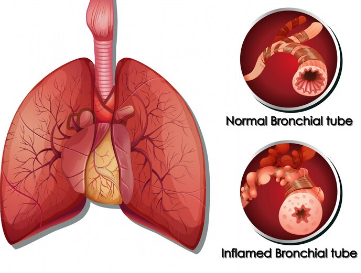
Pulmonary fibrosis is the chronic and progressive lung disease that leads to the scarring of lung tissues, therefore, compromising the lung functioning. Over time, this scarring makes the lungs thicker and harder, reducing their ability to pump the oxygen into the blood. This often causes exhaustion, chronic coughs and shortness of breath in the patients. The disease, which is also referred to as idiopathic pulmonary fibrosis (IPF), either can come about with no apparent cause or it can be caused by infections, drugs, or environmental exposures.
Why Oxygen Becomes Essential in Pulmonary Fibrosis
The damaged lung tissues lack elasticity and cannot absorb sufficient oxygen during breathing. This leads to low oxygen levels in the blood leading to such symptoms as fatigue, chest pain and lightheadedness. Oxygen therapy enables the body to compensate on this reduced lung capacity by providing the body with more oxygen. It ensures that vital body organs like heart and brain receive adequate oxygen to perform their functions properly, which promotes the health and quality of life of patients in general.
The Purpose of Oxygen Therapy
Oxygen therapy is aimed at maintaining the patients with chronic lung diseases at the right oxygen level. It is an important support system, besides a treatment of individuals with pulmonary fibrosis. It is able to enhance sleep quality, reduce dyspnea and enhance physical activity tolerance. Also, the treatment prevents such complications as heart failure and pulmonary hypertension caused by the shortage of oxygen in the bloodstream. Simply put, it gives the patients the relaxation and vigor they need to perform all their daily chores more easily.
How Oxygen Therapy Works
Oxygen therapy involves the provision of concentrated oxygen directly to the lungs using a number of medical equipment. This is then absorbed by the bloodstream and replaces the low levels caused by damage to lungs. The nature of the therapy will be continuous or intermittent depending on the severity of the disease. It normalizes respiratory rates and reduces the dyspnea experienced by the majority of pulmonary fibrosis patients through the enhancement of oxygen supply to the lungs.

Types of Oxygen Therapy
There are numerous oxygen delivery systems depending on the needs of the patient, and the lifestyle.
Compressed gas cylinders are portable oxygen tanks that provide oxygen through masks or nasal cannulas.
Liquid Oxygen systems: Liquid oxygen systems store the oxygen in a liquid state and therefore allow longer and larger storage capacities.
Oxygen concentrators: These resources extract oxygen form the air and directly input it to the patient.
Portable oxygen devices, or POCs are ideal to use by active people who need oxygen support and are available on the go due to their design that embraces mobility.
Each of the options has its benefits, and the routine of a patient and the recommendation of the doctor will deciding which one of them will suit him or her.
When Is Oxygen Therapy Recommended?
Doctors usually recommend oxygen therapy when the blood oxygen saturation level of the pulmonary fibrosis patients is below 88%. This can be determined by using an arterial blood gas analysis or pulse oximeter. Even though oxygen may only be required by some patients at the times they are exercising, others may require it at all times. Oxygen therapy initiated or changed during the day and night to ensure that the body receives the right level of oxygen, daily monitoring helps in making decisions.
Benefits of Oxygen Therapy
There are numerous benefits of oxygen therapy in addition to it being easier to breathe. It also helps to increase concentration and reduce fatigue by making sure that the brain receives adequate oxygen. The patients often find out that they are able to perform light exercises, walk longer, and sleep more. Moreover, frequent use will reduce the workload of the heart and lungs, which will decrease the chances of long-term complications. Besides, oxygen therapy is able to enhance emotional well-being and overall life satisfaction by stabilizing moods and energy levels.
Improving Quality of Life
Pulmonary fibrosis may be challenging to live with both physically and emotionally. Oxygen therapy is necessary in order to make patients independent and confident about their daily lives. With the right oxygen, people are able to enjoy travel, socialization, and outdoor activities without any constant worry that they will run out of oxygen. It provides emotional and physical relief to the patients allowing them to live more fulfilling lives despite the illness.
The Role of Technology in Oxygen Delivery
Modern technology has led to significant improvement in the manner in which oxygen therapy is administered. To a large extent, portable oxygen concentrators are ideal to be used everyday since they are lighter, smaller and more efficient. The correct dose of oxygen is always available to the patients due to the ability of the smart oxygen systems to adjust the flow rates depending on the level of activity. Some gadgets can be even connected to smartphone applications in the case of doctor communication and remote monitoring. Due to these developments, oxygen delivery is more convenient, easier, and versatile than ever before.
Home Oxygen Therapy
Because a large number of patients with pulmonary fibrosis are provided with oxygen therapy at home, the process of treatment inclusion into everyday life is simplified. Home oxygen therapy can be programmed to include portable units to be used at activities outside the house and stationary concentrators to be used at night. Medical practitioners provide comprehensive guidance on proper usage of equipment, routine maintenance and cleansing of equipment. Home-based strategy with ongoing oxygen support helps patients to have their oxygen support in a comfortable, familiar environment besides reducing their hospital stays.
Traveling with Oxygen Therapy
The concern that comes to mind by patients who are on oxygen therapy is travel. Luckily, there has been an improvement in portable oxygen concentrators hence making it easier to travel. These portable devices can also be used in buses, trains, and airplanes with the prior permission of the transportation authorities. A large number of concentrators are suitable in long journeys since they have car adapters and chargeable batteries. By planning their lives ahead and consulting health experts, patients will be able to live their lives to the fullest.
Safety Precautions in Oxygen Therapy
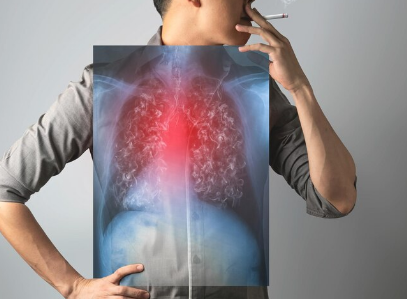
Oxygen therapy should be used cautiously in spite of its safety and benefits. Patients should avoid smoking or near open flames near oxygen equipment as oxygen encourages combustion. Moreover, it is essential to avoid placing the equipment in a place that has heat like the heating system and the stove. The proper storage and regular maintenance ensure the safety and effectiveness. As excessive or insufficient oxygen intake may be harmful to the health of a person, patients are also to pay attention to the instructions of their doctor concerning the amount of oxygen to be used.
Possible Side Effects and How to Manage Them
Some patients will experience a dry throat or nose when they are receiving oxygen therapy. In most cases, this can be remedied by use of saline sprays or humidifiers which are attached to oxygen machines. Another minor issue can be the skin irritation of nasal cannulas or tubes. They can be reduced by the use of softer materials or by adjusting the fit. Regular washing of equipment makes the therapy safe and comfortable as well as avoiding infections. Most side effects are controllable with the appropriate treatment and fix before failure.
Psychological Support for Patients
Pulmonary fibrosis and long-term oxygen therapy may be stressful. Patients are often anxious, sad, or frustrated especially when they struggle to adapt to their lifestyle change. Therapies, support groups and counseling can be used to help patients and their families to enhance their coping strategies. Conversing with individuals who have experienced the same can be comforting and provide practical advice, and thus using oxygen therapy is an uplifting and empowering process.
Oxygen Therapy and Exercise
Exercise continues to play a significant role in maintaining overall health of patients with pulmonary fibrosis. Oxygen therapy could be administered to patients to exercise with mild dyspnea. Under medical supervision, pulmonary rehabilitation programs contribute to the enhancement of mobility, respiratory muscle strength, and stamina. Right oxygen support enables patients to walk, stretch, or perform simple exercises safely and improves physical and mental conditions.
Monitoring and Adjusting Oxygen Levels
Repeated monitoring of oxygen level also ensures that the treatment remains successful. Patients may use a pulse oximeter in order to check their oxygen saturation and adjust in the necessary way. Doctors may recommend routine testing in order to evaluate the lung functioning and adjust the oxygen flow rates. When oxygen records are taken daily it is easier to keep track of progress and to notice any new development of symptoms. This initiative approach ensures stability and effectiveness of the treatment in the long term.
Challenges of Oxygen Therapy
Oxygen therapy—yeah, it sounds great on paper, but man, it can be a real pain at first. You’ve got tubes everywhere, this equipment to lug around, and suddenly your daily routine’s flipped upside down. Pretty overwhelming, honestly. But here’s the thing: most folks figure it out after a bit. Give it some time, throw in some decent training and support from nurses or whoever, and people tend to get the hang of it. Caregivers and doctors? Total lifesavers—they’re the GPS when you’re lost in this medical maze. And hey, tech keeps moving forward, so the gear’s getting less clunky and more user-friendly all the time. It’s not perfect, but it’s getting there.
The Cost and Accessibility of Oxygen Therapy
Let’s be real—oxygen therapy isn’t exactly pocket change, especially if you need the fancy gear or you’re in it for the long haul. The good news? If you qualify, your insurance will probably pick up at least part of the tab—sometimes even the whole thing, if you’re lucky. Plus, some medical companies let you rent the stuff instead of dropping a small fortune to buy it outright. That’s a lifesaver, honestly. And hey, those portable oxygen machines? They’re everywhere now, so you’re not stuck at home like a hermit. Best bet: hit up your insurance folks and your doctor before you sign anything. They know the ropes and can help you avoid paying more than you need to.
Future of Oxygen Therapy in Pulmonary Fibrosis
Honestly, the future of oxygen therapy looks pretty wild—in a good way. People are cooking up these smart oxygen machines that can basically read your blood oxygen like it’s checking a text, and then tweak how much air you get without you lifting a finger. Kinda sci-fi, right? Meanwhile, the whole regenerative medicine scene is blowing up too, so there’s hope your lungs might actually bounce back instead of just limping along with a tank forever. Oh, and AI? It’s not just for cat videos anymore—it’s about to start predicting when someone might crash and burn, health-wise, and step in before there’s a full-blown emergency. Patient care’s getting a serious upgrade.
Conclusion: A Breath of Hope
Oxygen therapy isn’t just some boring medical thing for pulmonary fibrosis—it’s literally a game-changer. We’re talking about giving people their freedom back, letting them do things they actually enjoy instead of just sitting around, gasping for air. I mean, imagine being able to take a walk or just, you know, make it to the kitchen without feeling like you ran a marathon. That’s what this stuff does. With all the new tech, docs who actually care, and patients getting smarter about their own health, life with pulmonary fibrosis doesn’t have to suck as much as it used to. Oxygen therapy lets you breathe easier (duh), move around without feeling chained down, and honestly, wakes up that hope people thought they’d lost. It’s not a miracle, but yeah, it’s pretty damn close.