
TB Fibrosis: Causes, Symptoms, Treatment, and Long-Term Management
Tuberculosis (TB) is a medical condition that has been ravaging the human health over centuries. Although through modern medicine, it is now possible to treat TB, there are still many patients who have health complications even after being cured of the infection. TB Fibrosis also referred to as Post-Tuberculosis Lung Fibrosis is one of the most prevalent long term outcomes that may occur after TB treatment.
TB Fibrosis is the growth of the scar tissue on the lungs when an individual has overcome tuberculosis. Such scarring may lead to difficulty in any breathing, decreased lung capacity, persistent cough, and in severe case, inability to do normal activities. Knowledge of TB fibrosis is relevant to patients, caregivers, and medical care providers as early intervention can lead to high quality of life.
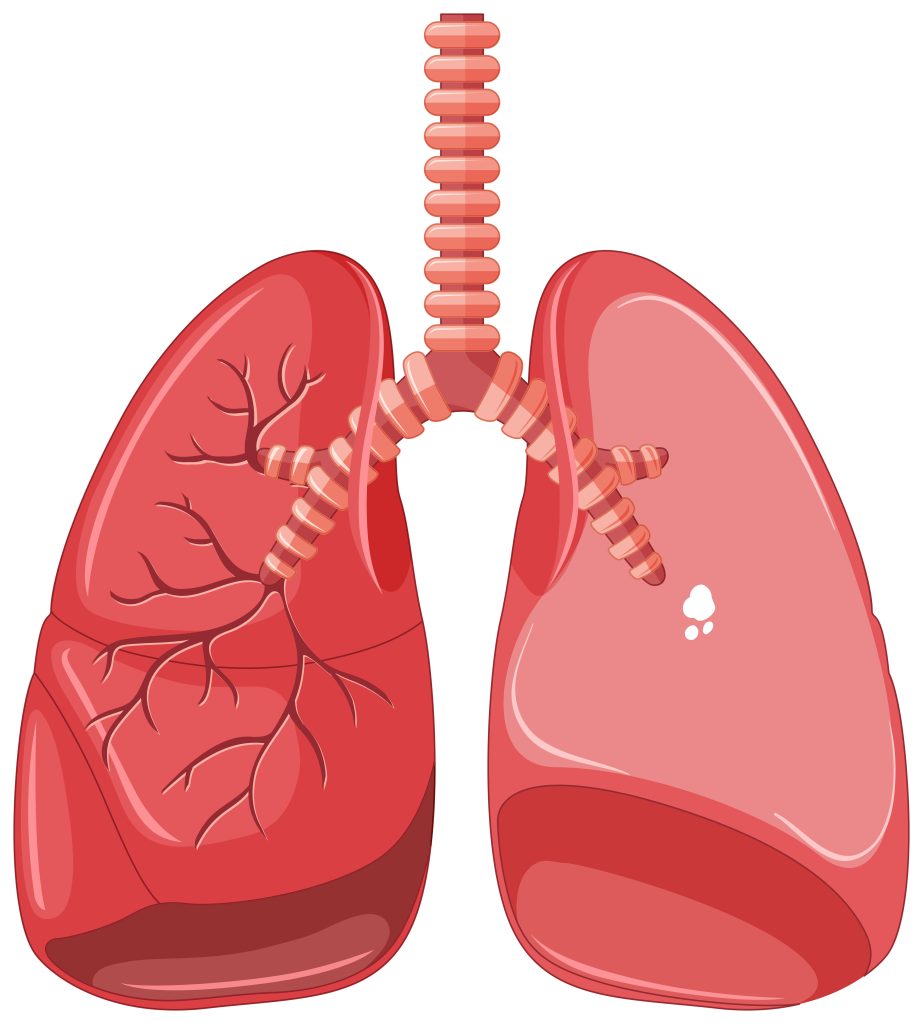
Understanding TB and Lung Damage
We must first comprehend the effect of TB on the lungs before we can comprehend fibrosis.
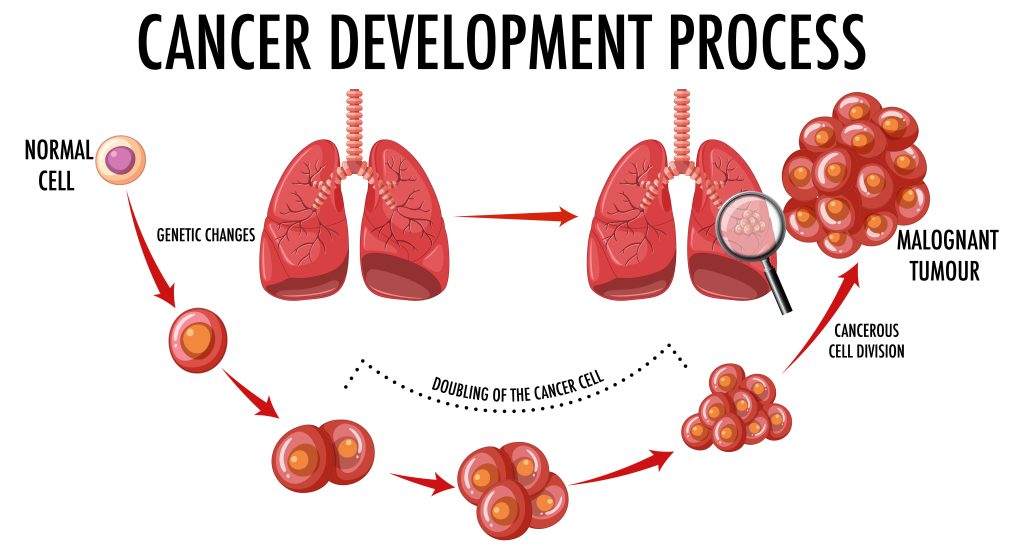
Tuberculosis is a contagious illness which is a consequence of the bacteria named Mycobacterium tuberculosis. TB infection in the lungs causes the body to react to it. This immune reaction causes inflammation, tissue destruction and in extreme cases, development of cavity within the lungs.
The normal lung tissue does not restore itself once the TB infection has been cured using medicine. Rather, the body substitutes the injured regions with fibrous scar tissue- it is what we refer to as fibrosis.
Why Does Fibrosis Occur?
To restore broken lung tissue.
To wall in infected or ravaged places.
As a component of the natural healing of wounds.
But fibrous tissue, unlike normal tissue, is unable to expand and to serve a gas exchange function. This implies that the lungs will be harder and weaker thus making it difficult to breathe.
Causes and Risk Factors of TB Fibrosis
Not all individuals relying on TB recover and develop fibrosis. There are, however, some conditions that enhance the risk:
Risk Factor Explanation
Severe or untreated TB Late treatment causes additional lung destruction.
Drug-resistant TB More difficult to cure → infection is prolonged ⇒ more harm.
Smoking Weakens the lungs and hinders the healing.
Malnutrition Weakness of body lowers repair capacity.
Recurrent TB infections The infections result in more scarring.
Late diagnosis Lung destruction is avoided by early treatment.
People who have weak immune systems (e.g. HIV/AIDS, diabetes, or chronic steroids) also tend to develop severe TB and subsequent fibrosis.
Symptoms of TB Fibrosis
The symptoms vary based on the extent of the damage that has been caused to the lung.
Common symptoms include:
Shortness of breath, particularly when exercising.
Chronic dry or wet cough
Wheezing
Tightness or pain in the chest.
Fatigue and weakness
Reduced exercise capacity
Shortness of breath or dyspnea.
In advanced cases:
As a result of oxygen deficiency, the skin or lips turn bluish.
Even during rest, the patient can become out of breath.
Other people develop cor pulmonale which is the right sided heart strain.
How TB Fibrosis Is Diagnosed
To be sure about the fibrosis related to TB, a doctor normally carries out a number of tests to be certain on this:
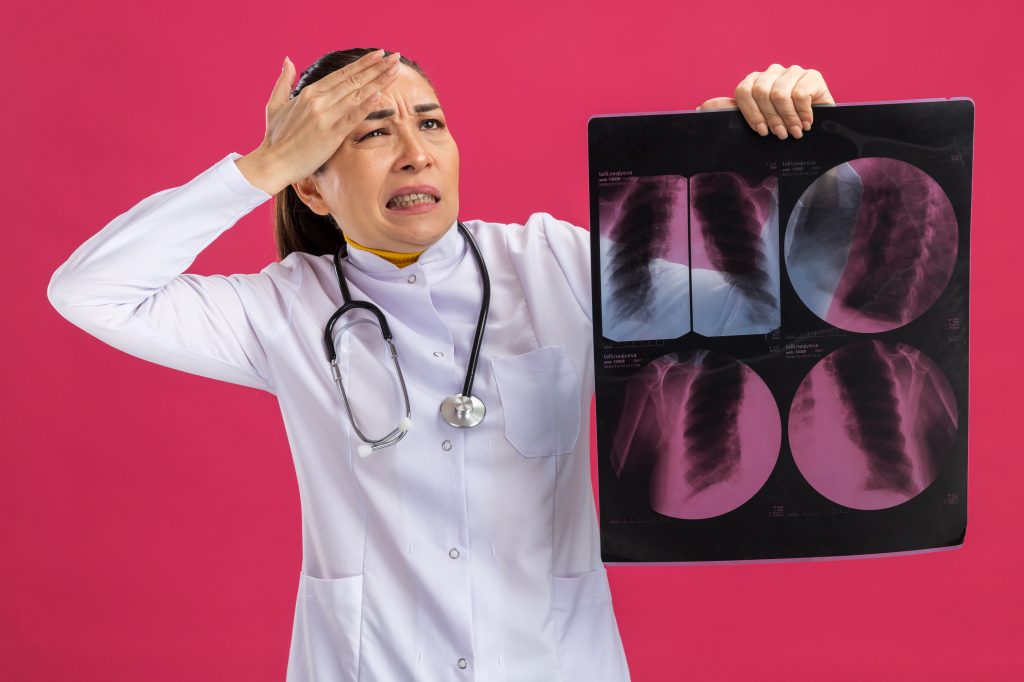
Presents with scarring, calcification, or fibrosis of lung tissue.
- CT Scan
Gives a clear view of the structure of the lungs and assists in the analysis of the degree of fibrosis.
- Pulmonary Function Tests (PFT)
Measures the amount of air that can be held in the lungs and the efficiency with which it exchanges oxygen.
- Oxygen Level Tests
Incorporates pulse oximetry or blood gas testing of arteries.
- Medical History Review
Past TB treatment records and symptom assessment.
Diagnosis is achieved through the combination of imaging, test results and the medical history of the patient.
Can TB Fibrosis Be Cured?
This is the most frequently asked question by the patients.
The answer to this question is: No, fibrosis is irreversible.
Scar tissue once developed in the lungs cannot go back to normal lung tissue. Nonetheless, this does not imply that patients are not able to live health, active, and productive life. Through appropriate therapy and life style control, the condition can be managed and the lung performance maintained.
Treatment and Management of TB Fibrosis
The treatment is aimed at symptoms management, damage prevention and to enhance breathing efficiency.
Medications
Bronchodilators: Are used to relax airways and relieve breathing.
Steroids (in a few instances): Use to reduce inflammation.
Antioxidants: Assist in reducing the destruction of the lung cells.
Expectorants: Assist to clear mucus in the airways.
Nevertheless, the use of TB antibiotics is unnecessary due to the fact that the infection is already healed. The treatment of fibrosis does not kill bacteria; it helps to maintain the lung.
Pulmonary Rehabilitation
It is among the best treatment interventions. It includes:
Breathing exercises
Regulated physical exercises.
Lung expansion training
Patient education
Pulmonary rehab enhances better oxygen utilization and shortness of breath is lessened.
Breathing TechniquesCommon helpful techniques:
Pursed-lip breathing
Diaphragmatic breathing
Expansion of lung volumes exercises.
These are methods that aid in raising the volume of air and oxygen intake.
Oxygen TherapyOxygen concentrators or cylinders can be administered at home when the patients have low oxygen levels.
Vaccination and Prevention of Infection.Pneumonia and flu vaccines help to prevent additional lung infections which might exacerbate fibrosis.
NutritionA nutritious diet that is balanced in protein, vitamins, and minerals boosts immune and improves the functioning of the lungs.

Lifestyle Changes to Improve Lung Health
Quit smoking completely
Prevent pollution, dust and smoke.
Wear a mask when commuting in populated or polluted places.
Complete daily breathing exercises (1020 minutes).
Maintain a healthy weight
Take lots of water to ensure mucus remains thin.
Follow-ups with pulmonologist regularly are required to check lung functioning.
Long-Term Outlook and Quality of Life
A larger number of patients suffering TB fibrosis survive and live a good life.
The main point is to diagnose early and follow treatment regularly and make healthy everyday habits.
Although fibrosis is not associated with a rapid process as compared to some other lung diseases, it is subject to exacerbation by recurring infections or smoke. Thus, it is important to prevent the additional damage of the lungs.

Conclusion
The rain tapped softly on the window, making a soothing sound that went along with the room’s quiet. The world outside was a gray blur, but inside, the fireplace made everything feel warm and cozy. I sat in a chair with a good book and curled up. The pages turned slowly, and each word drew me deeper into the story. It felt like the rain had made a bubble of peace around me, and the day never ended. At this moment, the only things that mattered were the words that made her feel better and the quietness of the day.