TB: The Silent Enemy
Scene One: The Breath of Shadows
It is a tiny village in South Asia where morning sun is rising. The streets are silent with the only exception of coughing in the distance. One of the women, Amina, opens the window of her house as her weak hands shake. She puts scarf around her mouth when a cough spouts out of her chest. She stares a little at this golden light pouring over the floor – but it is heavy, choking.
The neighbors do not observe much of her. A cough is just a cough. Life should not stop — until the day when that cough is a signal, a subject of something more sinister residing under the flesh.
This is the beginning of Tuberculosis or TB; in silence, invisibility and in many cases fatality

Scene Two: What Is TB?
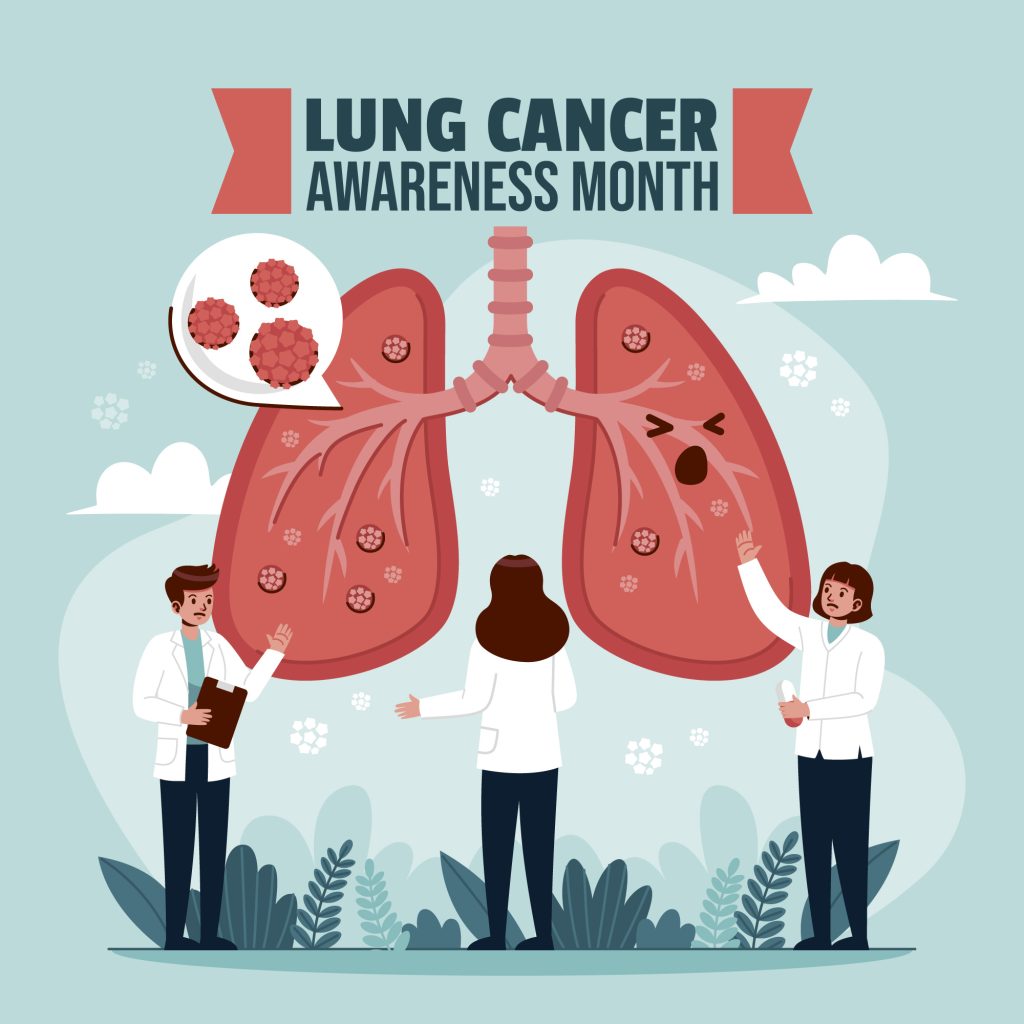
Tuberculosis is not a disease that has just been discovered. It has thousands of years of hiding in the history of humankind like a ghost that does not die. It is caused by bacteria Mycobacterium tuberculosis and it mainly affects lungs but it may also spread to brain, bones, and kidneys.
When an infected individual sneezes, talks or even coughs, small droplets with the bacteria are suspended in the air. They are sucked in by another individual – and the unseen battle starts. The bacteria lodge in the lungs and may remain dormant over a long period of time until a weakness strikes.
TB is treatable but it annually claims the lives of more than a million humans across the globe. It is still among the most infectious murderers of planet Earth, not due to the lack of treatment, but due to the weakest awareness, healthcare, and hope.
Scene Three: The History of a Killer
The TB is as old as civilization. The bones of ancient Egyptian mummies have been discovered to have evidence of the illness. During the 19 th century, it was referred to as consumption- a beautiful term of a brutal disease that ate up the body as it goes.
It was idealized by poets, artists and writers as a disease of beauty since it left its victims pale and delicate. Behind that deception was pain, lungs with blood in them, night fevers, and bodies that decayed without a murmur.
Until 1882, when Dr. Robert Koch was able to identify the bacteria that leads to TB, it could not be found. The discovery of his made the gateway to knowledge of – and later domination over – this old foe

Scene Four: The Symptoms of Suffering
We see the camera sweeping through a busy clinic. Individuals also sit on wooden benches coughing waiting to be served. The nurse passes through the line, providing masks and water.
The symptoms of TB will be insidious but increase with time:
Plastic cough more than three weeks.
Coughing up blood or sputum
Fatigue and weakness
Loss of appetite and weight
Fever and night sweats
These signs are neglected by many till it is too late. Even a simple cough will be a death sentence not due to the disease itself- but due to neglect and stigma.
Scene Five: Stigma and Silence
When visitors come to her, Amina is concealing her medicine found by her husband. “People will talk,” he says. They will believe that we are a cursed family.
The other aspect of TB is the stigma. Most cultures perceive it as an embarrassing illness, the one to conceal instead of curing. Such silence enables the further spreading of TB making homes the breeding grounds of infection.
Yet TB is not a punishment. It is a medical disorder- an ailment that is curable and treatable. But society must break its chains, first it must break its silence.

Scene Six: The Fight Against TB
The world has not remained in the same place. Strong weapons against this disease have been created by science, determination and hope.
Diagnosis: TB can be diagnosed easily with simple tests such as sputum smear or geneXpert test.
Treatment: TB is curable using a combination of drugs (antibiotics) throughout six months or longer.
Vaccination: The BCG vaccine is protective particularly to children.
Prevention: Prevention of infection includes good ventilation, wearing of masks, covering coughs and strong immunity that assist in the reduction of spread.
However, there is a condition that comes with TB, it requires discipline. Failure to take medicine as required enables the bacteria to evolve and become more robust resulting in drug resistant TB (MDR-TB) – a disease that is much more difficult to treat.
Scene Seven: The War Within
Think of a battlefield, but not guns and bombs, but of cells and bacteria. White blood cells in the inside part of the human body enclose the TB bacteria attempting to trap and kill them. Sometimes, they succeed. However, frequently, the bacteria become dormant and rest after many years until the immune system is weakened.
TB springs into action when the body defenses go down as a result of hunger, HIV or exhaustion. The lungs fill with lesions. The individual sneezes and heavily exhales infecting more people. It is the way that TB lives on and it is human suffering and silence.
Scene Eight: The Global Picture
According to the estimates of the World Health Organization (WHO), One out of every four people in the world harbors TB bacteria -most of them will never fall ill.
However, in the developing nations where poverty, hunger and poor healthcare systems are the order of the day, TB flourishes.
Every number is a story:
A miner in South Africa in a combination of dust and bacteria.
A child in India losing the mother to a treatable disease.
A refugee who coughs in a camp full of people and is waiting that the medicine will arrive, but it never does.
TB is not a medical emergency but a social, economic and emotional emergency.

Scene Nine: Hope in the Midst of Despair
The sun sets back in the village of Amina. A group of medical personnel comes with medicine boxes. They talk in a nice tone, providing treatment and sympathy.
Amina swallows her pills, one at a time, and each of them is nothing but a tiny ray of hope. Her cough is getting weak, her strength is coming back.
Millions of people like her are being cured all over the world annually. The story can evolve with awareness, consistency and compassion.
Drug-resistant TB patients have hope in new drugs such as bedaquiline and delamanid. The current electronic devices assist physicians in monitoring treatment. And international efforts such as the End TB Strategy are to eradicate TB by 2035.
Scene Ten: Lessons from the Shadows
TB is not merely the illness, it is the reflection. It echoes the disparities of our world – where the poor are the greatest sufferers, and the ill are apt to be further sidelined. It serves to remind us that health is not so much about medicine, but human dignity.
Any cough was neglected, any stigma was left to develop, any treatment was not completed, all nourish this silent killer.
However, each hand that helps, each voice that raises, each patient who follows the treatment – takes the world one step closer to the victory.
Epilogue: The Light Returns
Months later, Amina stands at the same window where it all began. She takes a deep breath—solid, steady, like she’s decided the day belongs to her. Outside, kids are laughing again. That cough everyone used to hear? Gone. Sunlight pours in, not harsh, just soft and warm.
Amina’s story isn’t only hers. Millions share it. As she gets better, she shows what happens when people pay attention, care enough to help, and refuse to give up.
Final Words
Tuberculosis is strange that way. It’s ancient, yet it refuses to go away. We know how to cure it, but people are still dying. Sometimes it slips in under the radar; other times, it’s loud and impossible to miss. Honestly, fear doesn’t get us anywhere. We’ve got to face it straight on. With good information, real healthcare, and the guts to speak up, we can actually wipe this thing out. We already have the cure. What we need now is the determination to use it.