
Introduction
Pneumonia and mediastinal infections are serious diseases that may be deadly as they attack the lungs and the chest cavity without any treatment. Luckily, it is possible to prevent with vaccinations a lot of respiratory infections that may cause or complicate these diseases. Medical practitioners and the general community need to understand the mechanism of action of vaccines, the relationship that exists between pneumonia and infection of the mediastinum and the way preventive measures can save lives. This paper delves into details of the benefits of vaccines in the prevention of pneumonia, the mediastinum anatomy and pathology, and the practical protection and recovery measures.

What Is a Vaccine?
Vaccine is a biological preparation that strengthen the immune system against specific diseases. It contains inactive or weakened parts of viruses or bacteria that induce immunological response but not disease. When a body is vaccinated, it recalls the way it will fight the pathogen later. Vaccines have brought about a total transformation in medicine by averting diseases such as measles, influenza and pneumonia. They act as a shield and reduce the likelihood of infection and severity of disease in case it occurs.
How Vaccines Protect Against Respiratory Diseases
Vaccines train the immune system to recognise and eliminate harmful respiratory pathogens before they can even attempt to create life-threatening infection. Streptococcus pneumoniae which is one of the major causes of bacterial pneumonia is an example of bacteria prevented by the pneumococcal vaccine. Similarly, influenza vaccination reduces viral infection that may lead to weakness of the lungs. Through the decrease of such infections, vaccines indirectly avert complications such as mediastinal abscesses or empyema. Besides, the enhanced protection of the immune system prevents the transfer of bacteria out of the lungs to other chest structures.
Understanding Pneumonia
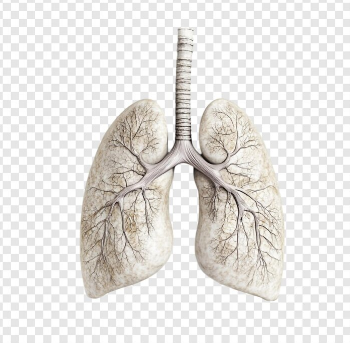
Pneumonia is an infection that leads to the inflammation of the air sacs of one or both lungs. It can lead to coughing, fever, chills and difficulty breathing due to the pus or fluid filling up of the air sacs. Bacterial pneumonia is often the most severe type of pneumonia even though it may be caused by viruses, fungi, or bacteria. Common pathogens are Haemophilus influenzae, influenza viruses, and Streptococcus pneumoniae. In children especially young children, the elderly, and those with compromised immunity, pneumonia may be mild or fatal.
Types of Pneumonia
Pneumonia is classified according to the methods and places of its origin:
S. pneumoniae or Mycoplasma pneumoniae are the most common causes of community-acquired pneumonia (CAP), which is not in medical facilities.
Pneumonia Acquired in Hospitals (HAP): It is a disease that is usually acquired when a patient is in the hospital and is brought about by more resistant bacteria.
Ventilator-associated pneumonia (VAP) may develop among patients who are undergoing mechanical ventilation.
Aspiration pneumonia is caused by inhaling food particles, liquids or vomits in the lungs.
Each type of vaccination has a different approach to its treatment, although they reduce the amount of the risk by a significant margin.
Symptoms and Diagnosis of Pneumonia
Symptoms of pneumonia are influenced by the cause, age and the health of the patient. Pain in the chest, fever, chills, rapid states of breath, and cough that produces pus or mucus are common symptoms. Older people may also develop confusion or low body temperature instead of fever. The diagnosis is normally made by a blood culture, chest X-ray, and a sputum test. An early and accurate diagnosis is necessary to prevent complications, including the transmission of infection to the mediastinum.
Treatment Options for Pneumonia
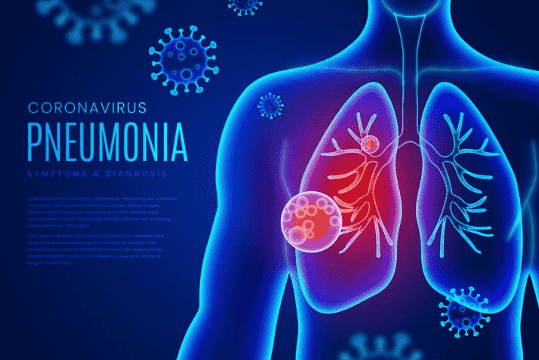
The treatment depends upon the cause and severity. The treatment of bacterial pneumonia has antibiotics whereas the treatment of viral pneumonia might include the use of antiviral drugs. Examples of such supportive treatments that are also critical include rest, fluids, and oxygen therapy. In severe cases, hospitalization could be required. Early and proper treatment prevents any further spread of the infection to the mediastinum where it may cause serious inflammation and abscess formation. Vaccination is still the most effective way to resist such problems.
The Role of Vaccines in Preventing Pneumonia
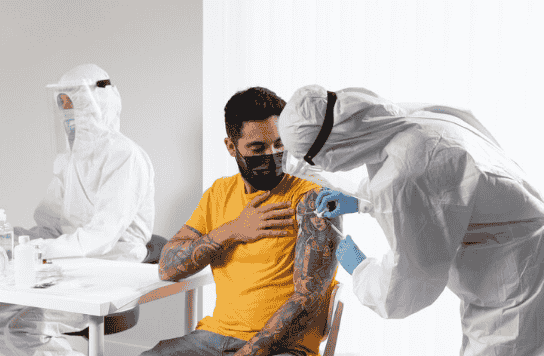
If you actually wanna dodge pneumonia, honestly, getting vaccinated is your best bet. Those shots—PPSV23 and PCV13, kinda clunky names, but they work—do a solid job keeping S. pneumoniae at bay. Docs usually say folks with chronic stuff going on, older adults, and little babies should definitely roll up their sleeves for these. Oh, and don’t sleep on the flu shot either. The flu can open the door for some nasty bacterial pneumonia, so that vaccine’s not just for show. The more people get vaccinated, the less this stuff bounces around the community. Simple as that.
Mediastinum: The Central Compartment of the Chest
Alright, so, smack dab in the center of your chest—wedged between your lungs—is this spot called the mediastinum. It’s basically like the VIP section for a bunch of crucial stuff: your heart, the big blood vessels, the trachea, esophagus, lymph nodes, and, oh yeah, the thymus. Not exactly a place you want anything going wrong. If there’s an infection or some sketchy growth in there? Yeah, that’s trouble, because, well, it’s where all the important bits hang out. Weirdly enough, each chunk of the mediastinum (they split it up into anterior, middle, and posterior—because, of course, they do) tends to get its own brand of diseases. So, knowing the lay of the land in there? Super helpful for figuring out what’s going on—like, if someone’s got pneumonia that’s spreading, or some other chest hijinks.
Diseases of the Mediastinum
The mediastinum, honestly, it’s like the Times Square of your chest—so much can go wrong in such a cramped space. You’ve got mediastinitis, which is basically your body’s way of saying, “Hey, let’s have a rager of an infection right between your lungs!” Usually, it’s some bacteria sneaking in from the esophagus or lungs, like party crashers no one invited.
Then there’s the whole tumor situation—thymomas, lymphomas, germ cell tumors. You name it, they can probably show up. It’s like a bad casting call in there.
Don’t forget abscesses and cysts. Imagine little pockets of pus or fluid just hanging out after an infection, like squatters who refuse to leave.
And those lymph nodes? If they’re swelling up, it’s usually not a good sign. Could be cancer’s spreading or something like tuberculosis is making itself at home.
Bottom line, if anything’s up in the mediastinum, you wanna catch it early and deal with it fast. Waiting around? Not really an option—things can get ugly real quick.
How Pneumonia Can Affect the Mediastinum
If you let pneumonia run wild or it just hits crazy hard, it doesn’t always just chill in your lungs. Sometimes, it barges right into the mediastinum—that’s basically the middle part of your chest where all the important stuff hangs out (think heart, major blood vessels, all that jazz). When that happens, you get mediastinitis, which is honestly a nightmare. We’re talking brutal chest pain, fevers that make you question your life choices, and breathing feels like a full-on workout. The infection can sneak in through your lymph system or just bulldoze right through tissue. Best bet? Get your shots and don’t mess around if you catch pneumonia—handle it fast so it doesn’t turn into this kind of disaster.
Mediastinitis: Causes and Symptoms
Mediastinitis—now that’s a word you don’t hear every day. It’s pretty rare, but when it hits, it’s no joke. Sometimes it pops up if pneumonia gets out of hand, or if somebody’s esophagus decides to spring a leak, or even after chest surgery (because apparently, your body just can’t catch a break). The usual troublemakers are bacteria like Streptococcus or Staph aureus—basically, microscopic party crashers.
Symptoms? Oh, you’ll notice. We’re talking shortness of breath, a fever that won’t quit, heart racing like you’re running a marathon, and chest pain so bad you’ll probably want to yell at someone. This isn’t something you can just sleep off, either. Mediastinitis moves fast and gets nasty quick, so doctors usually go full-on ER mode—heavy-duty antibiotics, sometimes even surgery to drain the mess. Not exactly a fun time.
Diagnosis of Mediastinal Diseases
Honestly, you can’t figure out what’s going on in the mediastinum just by guessing—docs need some heavy-duty tests for that. They’ll throw you in a CT scanner or an MRI machine, snapping all these crazy-detailed pics of your chest to hunt down stuff like tumors or pockets of pus. Blood tests, tissue samples—yeah, they poke around too, just to see what’s causing the mess. Getting the diagnosis right isn’t just a flex, it’s crucial, because otherwise you might end up with the wrong treatment. Sometimes you need meds, sometimes surgery, sometimes both. Catching this stuff early? That’s how you dodge nasty complications and boost the odds of sticking around.
Treatment of Mediastinal Infections
Honestly, everything hinges on what’s causing the mess and just how bad it is. If it’s bacterial mediastinitis, doctors usually don’t mess around—they’ll hit you with broad-spectrum antibiotics ASAP. Sometimes that’s just not enough though, especially if nasty abscesses show up. Then you’re probably looking at surgery to drain the gunk. Recovery? Oh, that’s a whole thing by itself. You need loads of supportive care—think oxygen, IV fluids, painkillers, the works. And if your immune system is slacking off, strap in for a longer ride, ‘cause treatment can drag on. Honestly, your best bet is to avoid the whole situation: get your shots, don’t ignore pneumonia, and maybe don’t try to tough it out if you’re hacking up a lung.
Preventive Role of Vaccination in Mediastinal Diseases
Alright, here’s the real deal: vaccines don’t exactly put up a “no trespassing” sign on the mediastinum itself. They’re not like, “Hey, I’m coming for you, mediastinal infections!” But listen, when you get your flu shot or a pneumococcal vaccine, you’re basically lowering your odds of getting pneumonia in the first place. No pneumonia, less chance for nasty bacteria to crawl deeper into your chest and start trouble in places like the mediastinum. So yeah, while the shot isn’t custom-built for that part of your chest, it ends up giving the whole area a bit of backup. Total win for your thoracic squad.
Importance of Early Prevention
Look, let’s be real—nobody’s lining up for a good old-fashioned respiratory disorder. If you can dodge that bullet, do it. Basic moves: wash your hands, don’t skip your shots, and maybe see a doctor before you start hacking up a lung. Smoking? Yeah, just quit already. Eat something green once in a while. High-risk folks—think: kids, old folks, anyone who looks at a sneeze and gets the flu—they really need those vaccines and a little extra care. Catching stuff early means you’re not stuck in a hospital bed staring at fluorescent lights, and your wallet (plus the whole healthcare system) will thank you. Prevention’s just easier, cheaper, and, honestly, way less gross.
The Global Impact of Pneumonia and Mediastinal Infections
Pneumonia’s still one of those heavy hitters when it comes to causing death, especially for older folks and kids under five. It’s wild how something so common can be so deadly. Mediastinal infections? Yeah, they’re pretty rare, but if you ignore them, things can get ugly fast—like, “fatal” ugly. The good news is, vaccines have honestly been game-changers. Thanks to massive vaccination pushes around the world, we don’t see these diseases nearly as often. The World Health Organization even says flu and pneumococcal shots have straight-up saved millions of lives. Still, people can’t just get lazy and call it a day—keeping up with vaccines and making sure everyone actually knows why they matter is super important. Otherwise, we’re just asking for trouble.
Future Directions in Vaccine Development
Researchers are cooking up some next-level vaccines—ones that actually stick around and keep you covered longer. And yeah, they’re not just sticking to the old-school methods. mRNA vaccines, like the ones we all got to know (and love, or maybe hate) during COVID, are now in the ring against nasty bugs like S. pneumoniae and Haemophilus influenzae. There’s more: scientists are working on combo shots that’ll take down a bunch of respiratory infections all at once. Honestly, if this stuff pans out, we might actually see a future where pneumonia is way less of a pain and those ugly chest complications don’t show up nearly as often. Here’s hoping, right?
Public Awareness and Education
Honestly, a lot of people still don’t get why adults need vaccines—like, it’s not just for kids, you know? Public education helps a ton with this stuff, but it’s still flying under most folks’ radar. Docs, schools, and the media should really team up more to get the right info out there about vaccines and keeping your lungs in good shape. If we actually spread the word (and not just more rumors), people might stop believing weird myths and actually get their shots on time. Bottom line? Smarter communities mean fewer sick days and, yeah, more lives saved.
Conclusion
Alright, here’s the deal: vaccines, pneumonia, mediastinal diseases—it’s all one messy web. Honestly, vaccines are still the MVP when it comes to dodging pneumonia and all the nasty stuff that can come after, like infections in your chest cavity (yeah, that’s as bad as it sounds). It’s not rocket science—if you catch problems early, get the right treatment, and, you know, actually try to prevent them in the first place, you’re way less likely to end up in a bad spot. Bottom line? Get your shots, pay attention when your body’s acting weird, and don’t sleep on the importance of knowing a thing or two about lung health. It’s not just about you, either—spread the word. The more people who get it, the better off we all are.